
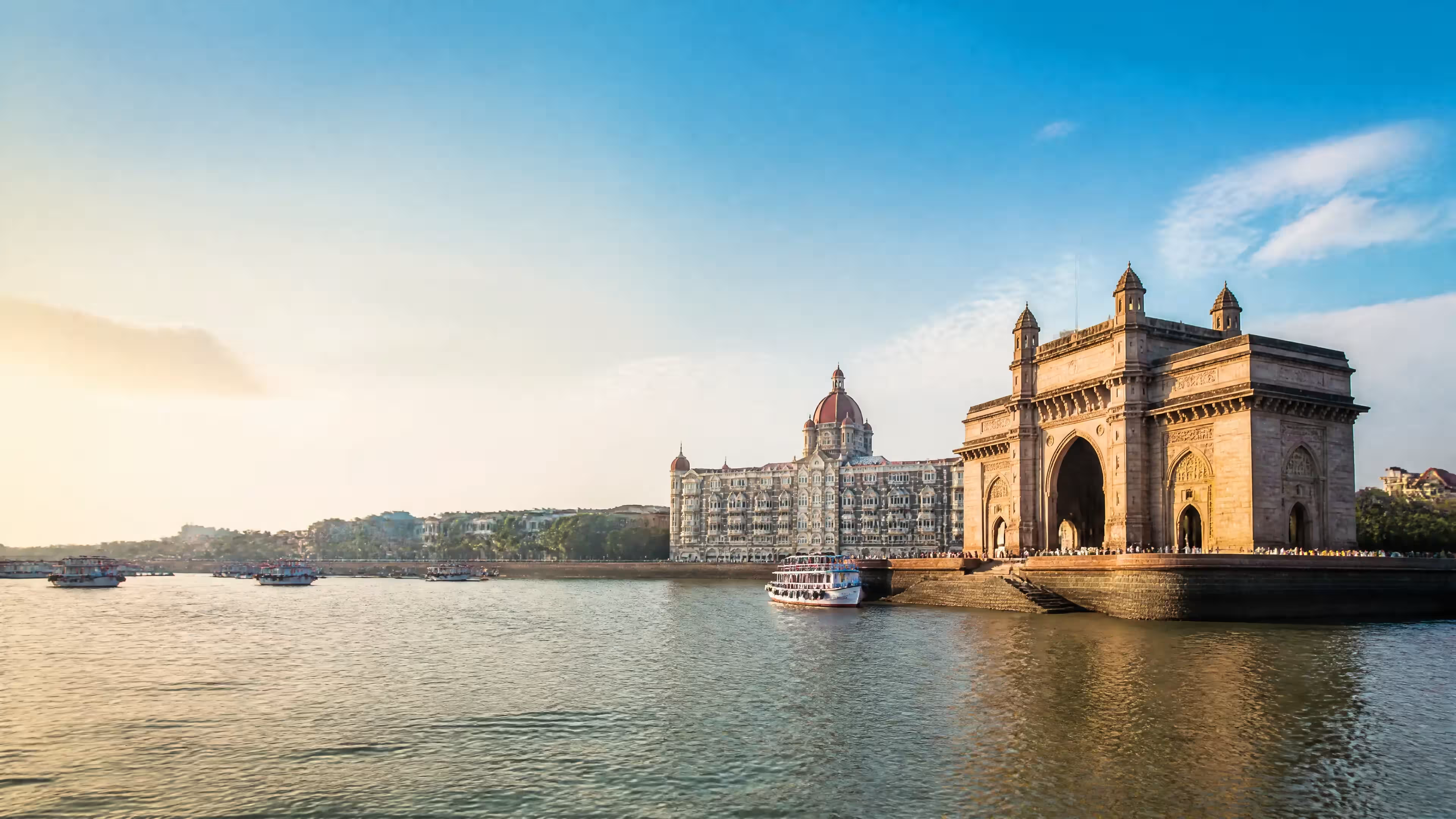
Tours to India from Petropavlovsk: prices
Instalments up to 24 months on any tour A manager replies within 15 minutes
Tours to India


Low-price calendar for tours to India
The lowest price by month for the chosen destination.
Tour collections for India


How to buy a tour to India
- 01
Find a tour
Departure city, destination, dates, nights and who is travelling — five fields in one row.
- 02
Choose and book
Compare the price for two, the board and the beach line, then hold your choice with a request.
- 03
Pay
By card, in instalments through a bank, by bank transfer or in cash at the office.
- 04
Get the documents
The contract, the voucher, the insurance policy and the itinerary receipts arrive by e-mail.
Tours to India: facts for the traveller
Ready to travel?
Leave a request and a manager will suggest options for your budget, dates and party.
Tours to India: what to know
How to prepare documents and book a tour?
Preparations for India begin long before departure from Petropavlovsk. A calm holiday in India consists of paperwork, deadlines and a margin of time.
Electronic visa for citizens of Kazakhstan: deadlines and procedure
Applying for a permit to travel to India for citizens of Kazakhstan goes through an electronic system. The application is filled out online, a photo and a scan of the first page of the passport are attached. The usual review period is several working days, the expedited option is shorter. The permit is valid from the moment of first entry, not from the date of issue. The data in the application is checked against the passport character by character: one typo in the name or number — and tours to India from Petropavlovsk are cancelled already at the airport. The form is filled out in advance, not on the night before departure. Check the exact conditions and fees before submitting on the official website of the Indian migration service.
Booking and deadlines for submitting documents through a travel agency
It is more convenient to assemble a package holiday in India through an agency: it conducts correspondence with the hotel and airline. In high season — from November to February — available places sell out faster.
What to consider before the trip?
Medicine, money and rules at the border decide how calm the holiday will be. It is worth preparing for them at home, not at the airport.
Vaccinations, prevention and insurance policy
Before a trip to India, standard vaccinations are updated and additional ones are discussed with a doctor. Protection against hepatitis A and typhoid fever is most often advised, sometimes against tetanus and diphtheria. The decision is made by the doctor taking into account the route: Goa, Kerala and Delhi give a different risk profile. Medical insurance for India is mandatory when applying for most entry permits. The policy must cover hospitalization, treatment and medical evacuation. Without it, a holiday in India can turn into a clinic bill for several thousand dollars. Keep a copy of the policy on your phone and in print.
Customs rules for import and export
The rules for import and export in India are strict, and the penalties are high. Personal items are allowed through freely, but electronics, jewelry and large sums require attention. Cash above the established limit is declared in the declaration. Alcohol is brought in limited quantities, and in a number of states it is bought according to local rules. Drugs, weapons, rare plants and ivory items are prohibited. Exporting antiques and objects of antiquity without permission is not allowed. Check current limits and declaration forms on the website of the Indian customs service.
Money exchange, ATMs and tips
The Indian rupee is the local currency, and it is better to exchange money in banks and official exchangers. Tenge is accepted almost nowhere in India, so bring dollars or euros. The rate at the airport and hotels is unfavorable, in the city — noticeably better. ATMs dispense rupees by card, but charge a commission and have a daily limit. Large notes are not changed in small shops, so keep small change. Tips in India are customary: in a restaurant about ten percent is left, for a porter and maid — a small amount. Exchanging money with street money changers is risky: substitution and shortchanging are possible.
How holidays in India are arranged
Everyday life on site differs from the usual, and this is part of the impression. Below — food, movement and communication with locals.
Indian cuisine: spiciness, water and street food
Indian cuisine is built on spices, and spiciness here is the norm, not the exception. Asking for "not spicy" is worth it in advance and persistently. Drink only bottled water, and check the integrity of the seal. Ice in street drinks and fresh salads are a frequent source of upset. Street food in India is tasty, but choose places where they cook in front of you and there are many people. Hot, just off the fire, is safer than cooled. Wash fruit with bottled water and peel it yourself. Take a first aid kit with sorbents and diarrhea remedy with you.
Vegetarianism and familiar dishes
Vegetarianism in India is the norm, and in many states meat is harder to find than its absence. On the menu, vegetarian and non-vegetarian dishes are marked with separate icons. Familiar dishes also exist: rice, flatbreads, potatoes, vegetables in sauce, chicken in a tandoor. In Goa and Kerala, fish and seafood are widely prepared. For those who do not eat spicy food, dal, rice and yogurt sauces are suitable. Dairy products are widespread in India, but in the heat choose heat-treated ones. Ordering "European" in tourist areas is possible, but it is tastier to take local.
Transport within the country: trains, flights, taxis and bike
Moving around India is a separate adventure, and the method is chosen for the distance. Trains are cheap and connect almost all cities, but tickets for the right dates are snapped up in advance. Domestic flights between major cities save days. It is convenient to call a taxi through apps where the price is known in advance. Renting a bike is popular in Goa, but requires a license and caution on the road. Street rickshaws are bargained before boarding, otherwise the price will be twice as high. Comfortable buses run between cities in the south. Plan transfers with a margin: traffic jams in Delhi and Mumbai eat up hours.
Language barrier and bargaining at markets
English is understood in India in hotels, airports and tourist areas. In the outback, Hindi or sign language comes in handy, and it works. Learn a dozen basic phrases: a greeting, thank you, "how much does it cost". Haggling in markets is part of the culture, and it is worth starting at half the named price. A seller in India expects haggling and does not take offense at a refusal. In a taxi, agree on the price before the ride, not after. A smile and a calm tone settle more than persistence. Do not show large bills until you have agreed on the price.
Safety and health on site
Attention to yourself, clothing and heat are three things worth thinking about in advance. Below is how to behave so that your holiday is not overshadowed.
What women should do and how to react to attention
Attention toward women in India can be intrusive, especially in tourist places. Clothing that covers shoulders and knees reduces the number of stares and comments. Avoid deserted streets and beaches after sunset. On public transport, sit in women's carriages and sections where they exist. To persistent questions, answer briefly and walk away without getting into an argument. Do not tell strangers the hotel address and your plans for the day. Stay with a group or a pair in the evening. If there is a clear threat, call loudly for help: those around react.
Clothing and dress code: temples, beaches, heat
The dress code in India depends on the place, and temples here are stricter than beaches. Temples do not admit people with bare shoulders and knees, sometimes they ask you to take off your shoes and cover your head. On the beaches of North Goa and South Goa, a swimsuit is appropriate by the water, but not in the village. Loose cotton clothing saves you from the heat and is respectful to locals. The sun burns even on a cloudy day, so a hat and cream are a must. In Kerala and in the south, people dress more modestly than in resort areas. A scarf or pareo will come in handy on any trip around the country.
Acclimatization and protection from mosquito bites
Acclimatization in India is hard because of the heat and humidity. For the first two or three days, drink more water and do not plan long excursions. Move heavy activities to the morning and evening, rest in the shade during the day. Mosquitoes are active at dusk and during the rainy season, especially in Kerala and Goa. Use repellent, a mosquito net over the bed and closed clothing. A fumigator in the room helps, but check whether it works. Fever symptoms are a reason to see a doctor immediately, not to wait. Insurance with infection coverage makes such care affordable.
Communication, shopping and holidays
The internet, souvenirs and the festival calendar are what make a trip more convenient and vivid. Let us go through each point separately.
Mobile communication, internet and SIM cards
A local SIM card in India gives cheap internet and calls, but it is issued with a passport. Registration takes from several hours to a day, so it is better to get connected in the first days. Roaming of Kazakhstani operators is expensive, but it works immediately upon arrival. Wi-Fi in hotels and cafes is almost everywhere, but speed and stability vary. For maps and taxis, download offline maps and apps in advance. Top-ups are made through apps and local points. Do not leave your phone unattended: thefts happen in crowded places.
Souvenirs and shopping: spices, tea, textiles, leather
India is a country of markets, and haggling here is part of the purchase price. Spices are brought from Kerala and from the markets of Delhi, but buy them in sealed packages. Indian tea from the plantations of Assam and Nilgiri is bought in specialized shops. Textiles — saris, pashmina, bedspreads and bed linen — are worth haggling over for a long time. Leather goods in India are cheaper, but check the quality of the seams and the smell. Buy jewelry only in licensed stores with a receipt. Check export rules before buying large quantities.
| What to buy | Where to look | What to check |
|---|---|---|
| Spices | Markets of Delhi, Kerala | Sealed package, freshness |
| Tea | Plantations of Assam | Harvest date, airtightness |
| Textiles | Goa, Delhi | Natural fabric, seams |
| Leather | Large cities | Smell, quality of tanning |
Holidays and festivals
The festival calendar in India is dense, and dates often shift with the lunar cycle. Holi is celebrated in spring with colors and water, and on these days the streets are especially noisy. Diwali is the autumn festival of lights, when cities are decorated with garlands. In Kerala, Onam takes place with boat races and festive tables. In Goa, winter is noisy with carnival and music events. For a festival in India, it is better to book accommodation in advance: prices rise. Respect local customs and ask permission before filming.
| Season | Region | Feature |
|---|---|---|
| November–February | Goa, Kerala | Dry, comfortable, high season |
| March–May | North India | Hot, mountains are better |
| June–September | The whole country | Monsoon, humid, cheaper |
| October | Kerala | Holidays, warm sea |
Visa and entry rules change: check with the primary source — the electronic visa portal of the Republic of India, https://indianvisaonline.gov.in/. The information on this page was verified on 17.09.2026.
In short
- A package holiday in India is put together in advance, a month and a half before departure from Petropavlovsk.
- The electronic entry permit is issued online, and the data is checked against the passport.
- Medical insurance with hospitalization is mandatory for a calm trip.
- Drink only bottled water, and take street food hot and in front of you.
- Tenge is not accepted in India, bring dollars or euros and exchange them at banks.
Tours by destination and departure city
Turkey
Tours to Turkey from Almaty Tours to Turkey from Astana Tours to Turkey from Shymkent Tours to Turkey from Kostanay Tours to Turkey from Aktobe Tours to Turkey from AktauEgypt
Tours to Egypt from Almaty Tours to Egypt from Astana Tours to Egypt from Shymkent Tours to Egypt from Kostanay Tours to Egypt from Aktobe Tours to Egypt from AktauUAE
Tours to UAE from Almaty Tours to UAE from Astana Tours to UAE from Shymkent Tours to UAE from Kostanay Tours to UAE from Aktobe Tours to UAE from AktauFrequent questions about tours to India
It is most comfortable from October to March, when it is dry and not too hot.
With a connection the journey takes from several hours to a day.
North Goa is suitable for active young people, South Goa — for a quiet holiday.
Yes, the mild climate and unhurried rhythm are convenient for trips with children.
It is warm during the day, cool in the morning and evening, worth taking a light jacket.
In the north in winter it will come in handy, in the south light items are enough.
Surfing, yoga, markets, walks to waterfalls and old forts.
Spicy, aromatic, with rice, flatbreads, fish and a large selection of vegetarian dishes.
It is better to buy bottled water and avoid ice in street cafes.
For a first introduction one or two weeks is enough.
The old city, fortresses, museums and colourful bazaars.
The monsoon comes in summer, and the dry season lasts from autumn to spring.
Reviews of tours to India
What travellers write afterwards: the hotel, the dates and what is worth knowing in advance.
No data yet
No one has left a review yet. Yours would be the first.
Write a review
The review appears on the site after a moderator checks it.
Destination guide
Short guides: season, hotels, money and documents.
Are international driving permits required
The answer depends on the country and on whether you plan to get behind the wheel.
ReadHow to dress when visiting temples
Many tourists wonder in advance how to dress when visiting temples. Modesty rules apply in mosques, Hindu and Buddhist temples.
ReadOnline check-in for the flight
Online check-in opens 24 hours before departure. The procedure takes a few minutes and saves you from queues at the airport. Check that your luggage meets the baggage allowance.
ReadConsent for a child's departure
Consent for a child to travel abroad is arranged in advance. A notary in Almaty certifies a power of attorney for the accompanying person. Parents decide who will take the minor on the trip.
ReadHand luggage rules
Hand luggage is the items a passenger takes into the aircraft cabin. Airlines set their own weight and size standards. Carriage of large bags in the cabin is usually not allowed.
ReadTransfer between flights
A transfer between flights is a stop at an intermediate airport, after which the traveler continues the journey on another plane.
Read