
How to dress when visiting temples
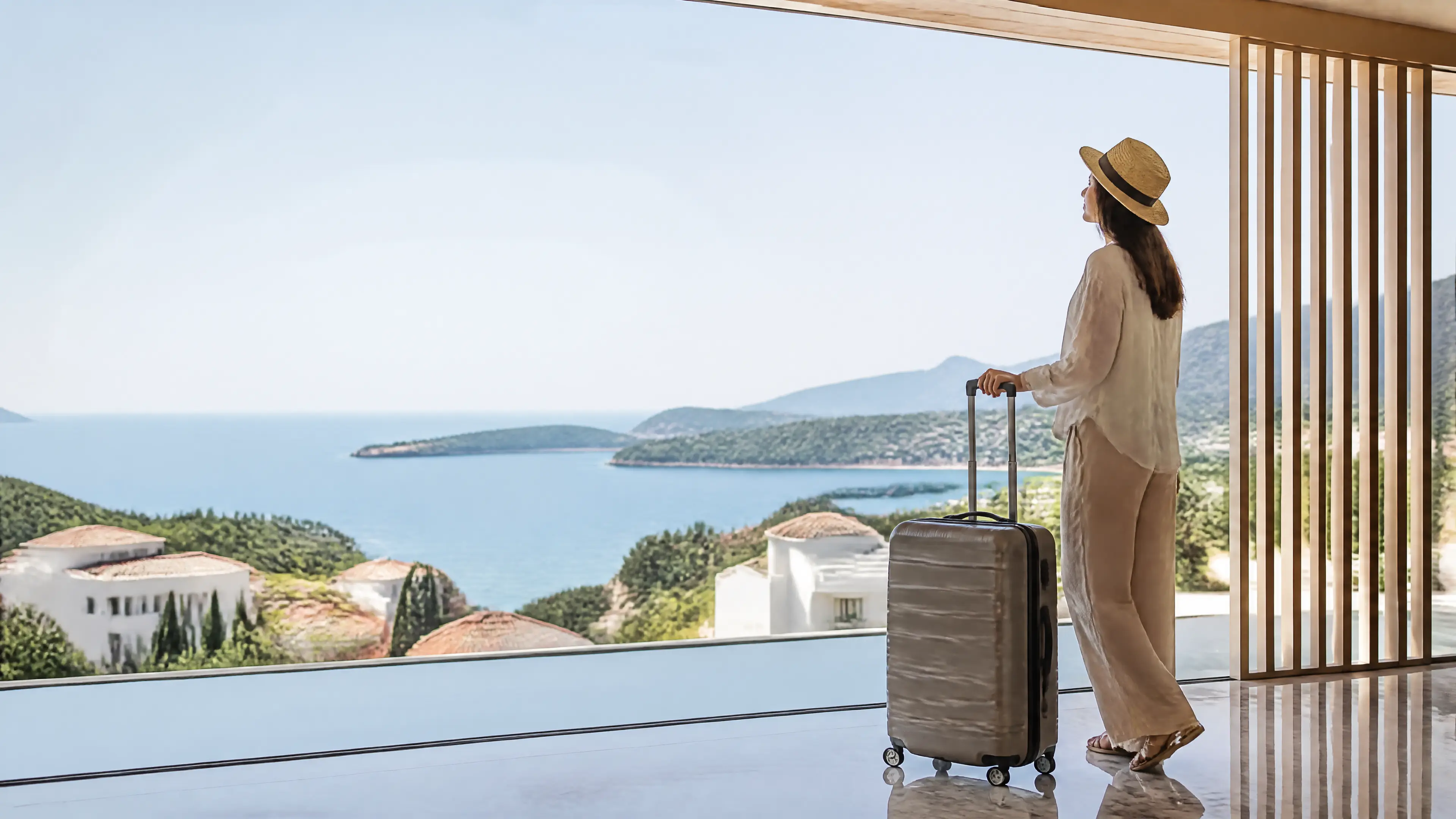
Clothing for temples and mosques
A trip from Almaty to southern countries often includes visiting temples. Many tourists wonder in advance how to dress when visiting temples. Modesty rules apply in mosques, Hindu and Buddhist temples.
Which areas to cover first
Shoulders, knees and head are the three areas checked most often. In mosques, women are offered a headscarf, but it is better to bring your own. Men in shorts are often denied entry, even in hot season. A loose long-sleeved shirt saves both from the sun and from remarks. Light linen trousers are more comfortable than tight jeans in the tropics. Open shoes are acceptable, but they are removed at the entrance.
Socks will come in handy where the floor is scorching or cold. A crossbody bag frees your hands for a headscarf and shoes. A thin wrap takes up little space and helps in any situation.
Seasonal differences in travel
In summer in Southeast Asia it is hot and humid, so choose breathable fabric. In winter in Turkey or Egypt mornings are cool, and a long-sleeved sweater is not superfluous. In spring in India it is dusty, light-colored items get dirty faster than dark ones. In autumn in the UAE it is still hot during the day, but evenings are cool. In rainy season you need shoes that are easy to dry.
In the highlands of Nepal you need a warm jacket in the evening. Layers of clothing solve more than one thick item.
Women's wardrobe on a trip
Women should take a long skirt or wide ankle-length trousers. Keep a headscarf in your bag to throw on before entering a mosque. A long-sleeved shirt covers the arms without an extra layer. Dense fabric does not show through in the sun and looks more modest. In Hindu temples you are sometimes asked not to enter in leather items. In Buddhist temples shoulders are covered with a shawl, not a scarf on the neck.
A swimsuit under clothing is appropriate on the beach, but not at a temple. Sandals are easy to slip off at the threshold and do not bother others.
Men's wardrobe on a trip
For men, trousers and a short-sleeved T-shirt are enough. It is better to enter a mosque in a shirt that covers the shoulders. Shorts below the knee are not suitable everywhere, long trousers are more reliable. A head covering in a mosque is not mandatory for guests. In Sikh temples you are asked to cover your head with a cloth. A loose untucked shirt looks more modest than a tight tank top.
A belt and a crossbody bag do not interfere with taking off shoes. A spare pair of socks will come in handy in temples with a cold floor.
Shoes and entering a temple
Shoes are removed almost everywhere, so choose ones that are easy to take off. Laces slow down entry when there is a queue behind you. Sandals or slip-ons are more convenient than high boots. A bag for shoes will come in handy where there are no shelves. In some areas you have to walk barefoot a long way on stone. Socks help if the floor is hot or dirty.
Shoes are left at the entrance, so it is better not to wear expensive sneakers.
Accessories and small items
- A headscarf or shawl in your bag
- A light long-sleeved wrap
- A spare pair of socks
- A bag for shoes
- Wet wipes for hands
- A bottle of water in the heat
- A head covering from the sun
Behavior near a temple
Talking loudly at the entrance disturbs worshippers and looks disrespectful. Photographing people without consent is not worth it even outside. It is better to wash your hands and face before entering, if possible. Children near a temple behave calmly, without shouting or running. Food and drinks stay outside the grounds. Music in headphones at the entrance is more appropriate than out loud.
A calm voice and unhurried steps remove unnecessary questions.
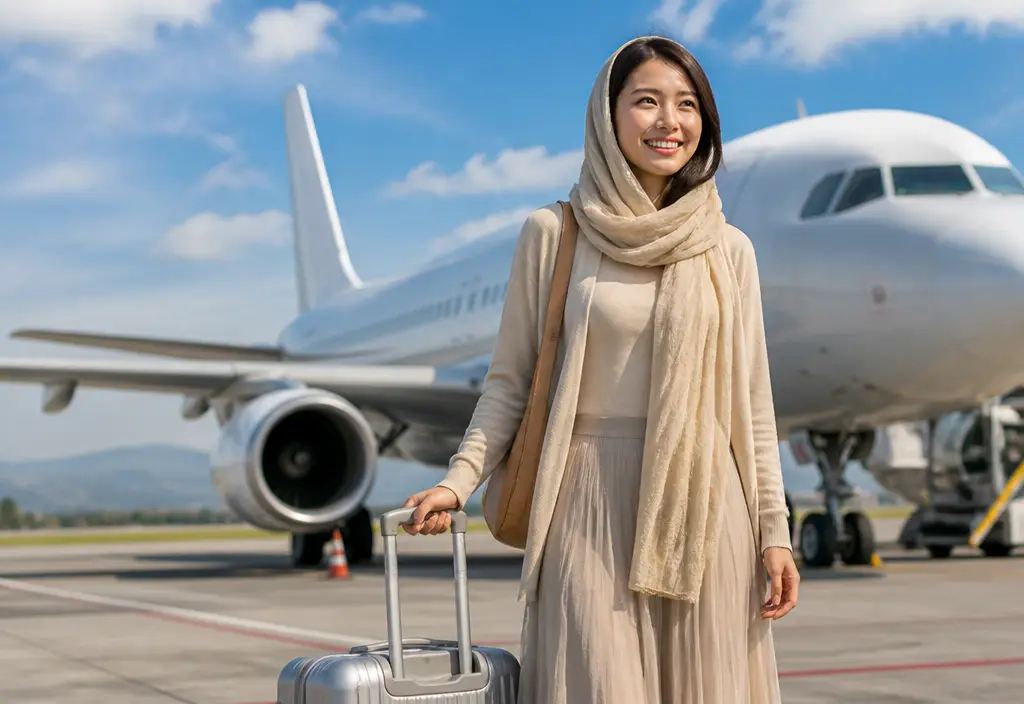
Dress code rules in temples and mosques of the Middle East and South Asia are simple: covered shoulders and knees, and for women, a headscarf. Shoes are removed at the entrance to a mosque and a Hindu temple. Bring a light shawl and socks: in the heat they save you from hot stone and the sun. Before your trip, check the rules of the specific site.
Seasons and calendar of trips to holy sites
The choice of month determines the comfort of a route through temples and mosques. Below is the weather by region and how the religious calendar changes access to sites.
When to go to the countries of the Middle East and South Asia
The most comfortable time to visit temples and mosques of the Middle East and South Asia is from October to April. During these months, Istanbul, Cairo and Delhi have dry weather without exhausting heat, and walks through large temple complexes take a whole day. From May the temperature rises, and viewing mosques has to be split into morning and evening hours.
From June to September, India and Nepal have monsoon: roads are washed out, and the climb to hilltop temples becomes unsafe. In UAE in summer the air is so scorched that entry to the Sheikh Zayed Mosque is moved to late evening. Plan your trip to temples so that the middle of the day goes to rest, not to moving between sites.
How religious holidays and Ramadan change access to temples
During Ramadan, the schedule of mosques shifts noticeably: during the day tourists are often not allowed inside. But after sunset, temples open for iftar and additional prayers, and it is possible to attend the evening service. On major holidays — Kurban Ait, Uraza Ait, Christmas and Easter — sites are overcrowded with locals, and some are closed to visitors.
Check the dates by the lunar calendar in advance: they shift every year. If your trip coincides with a holiday, leave an extra day in reserve to restructure the route. That way you will not be left at the closed gates of a temple.
What should a tourist from Almaty consider when choosing a destination?
From Almaty it is convenient to start to five cities with different sets of religious sites. Let's look at flights and choosing accommodation near temple complexes.
Visa, flight and travel time from Almaty
Direct flights from Almaty connect the city with Istanbul, Dubai, Tashkent, Delhi and Cairo. The journey to Istanbul takes about six hours, to Delhi — about four, to Cairo — about six. This difference determines where to fly for a short weekend and where for a full two weeks. A short flight to Delhi allows you to see several temples in three days, while the long journey to Cairo is justified only by a long tour.
Choose the city based on which temples you want to see first.
Where to stay near temple complexes
In Istanbul, the most convenient base is the Sultanahmet area: the Blue Mosque and Hagia Sophia are within walking distance. In Delhi, the equivalent point is Paharganj, from where it is easy to reach the city's main temples. Hostels and guesthouses near large temple complexes are cheaper than central hotels, but they should be booked two to three months in advance. Then the choice is wider and the price is lower.
Accommodation within walking distance saves energy: you walk between temples instead of spending hours on transport. Before booking, check whether there is construction or a noisy highway nearby.
How to prepare for visiting temples and mosques?
Preparation comes down to money, water and understanding local restrictions. This is what most often spoils the impression of temples.
What to take with you: cash, water, insurance
Cash is needed for donations, buying scarves and entrance tickets to small temples where cards are not accepted. In India and Egypt, do not drink tap water, and carry a bottle with you — walks between temples can be long. Medical insurance is mandatory for a trip to India; for Turkey and UAE it is arranged optionally, but taking into account activity.
Take a supply of water and a small amount in small notes for the whole day.
Photography rules and bans on bringing items
Check the rules of the specific site in advance, not at the entrance.
Friday, prayers and opening hours of sites
Friday breaks the usual tourist schedule in Muslim countries. Plan this day separately from the others.
Why mosques are closed to tourists on Friday
Friday is the day of obligatory collective prayer, so mosques open to visitors only after it ends. In the morning and at noon, entry to the temple is closed even when there is free access on other days. In Istanbul and Abu Dhabi, tourists are asked to wait outside the fence while namaz is held. After the prayer, the doors of mosques open again, and the flow of visitors subsides by evening.
Plan your visit to temples for the second half of Friday or move it to Saturday. That way you will not spend the day waiting at the entrance.
How to coordinate the route with the schedule of services
Build your route through temples from the schedule of services, not the other way around. Give the morning hours to sites open from early morning, and the evening hours to those open late. Between services there is a window of two to three hours, enough for one large mosque or two small temples. In India and Nepal, temples open early and close by lunch, then open again in the evening.
Leave one day in reserve: the schedule may shift due to a local holiday. A flexible schedule saves the route better than a dense list of points.
What to do on the days of major holidays?
Holidays change both access and the atmosphere around temples. Decide in advance whether you want to watch the service or avoid the sites.
Kurban Ait, Uraza Ait, Christmas and Easter in temples
On Eid al-Adha, Eid al-Fitr, Christmas and Easter, temples are overcrowded with worshippers, and some sites are closed to visitors. On these days, mosques and churches operate on a special schedule, and tourists may not be allowed inside. But the festive atmosphere is visible from outside: decorations, crowded processions, street trading near the walls of the temple.
If the purpose of the trip is architecture, choose dates outside the holiday week. If you want to see a service, come early and take a place near the entrance. Respect for worshippers here matters more than a good shot.
How to build a route if some sites are closed
When some temples are closed, shift the focus to open sites and the urban environment. Museums, bazaars and embankments operate as usual during holidays. One closed temple is not a reason to change the entire route: replace it with a neighboring site of the same type. In Turkey and UAE, halal cafes are available during holidays, in India — vegetarian canteens at temples, where they feed for a donation.
Make a list of ten points and cross out the closed ones on the spot. Then the holiday will pass without empty walks.
Briefly
- The best months for temples of the Middle East and South Asia are from October to April.
- The monsoon in India and Nepal runs from June to September and hinders travel.
- During Ramadan, access to mosques is limited during the day, but evening iftars are open.
- Friday is the day of obligatory prayer, mosques open after it ends.
- On Eid al-Adha, Eid al-Fitr, Christmas and Easter, temples are overcrowded, some are closed.


