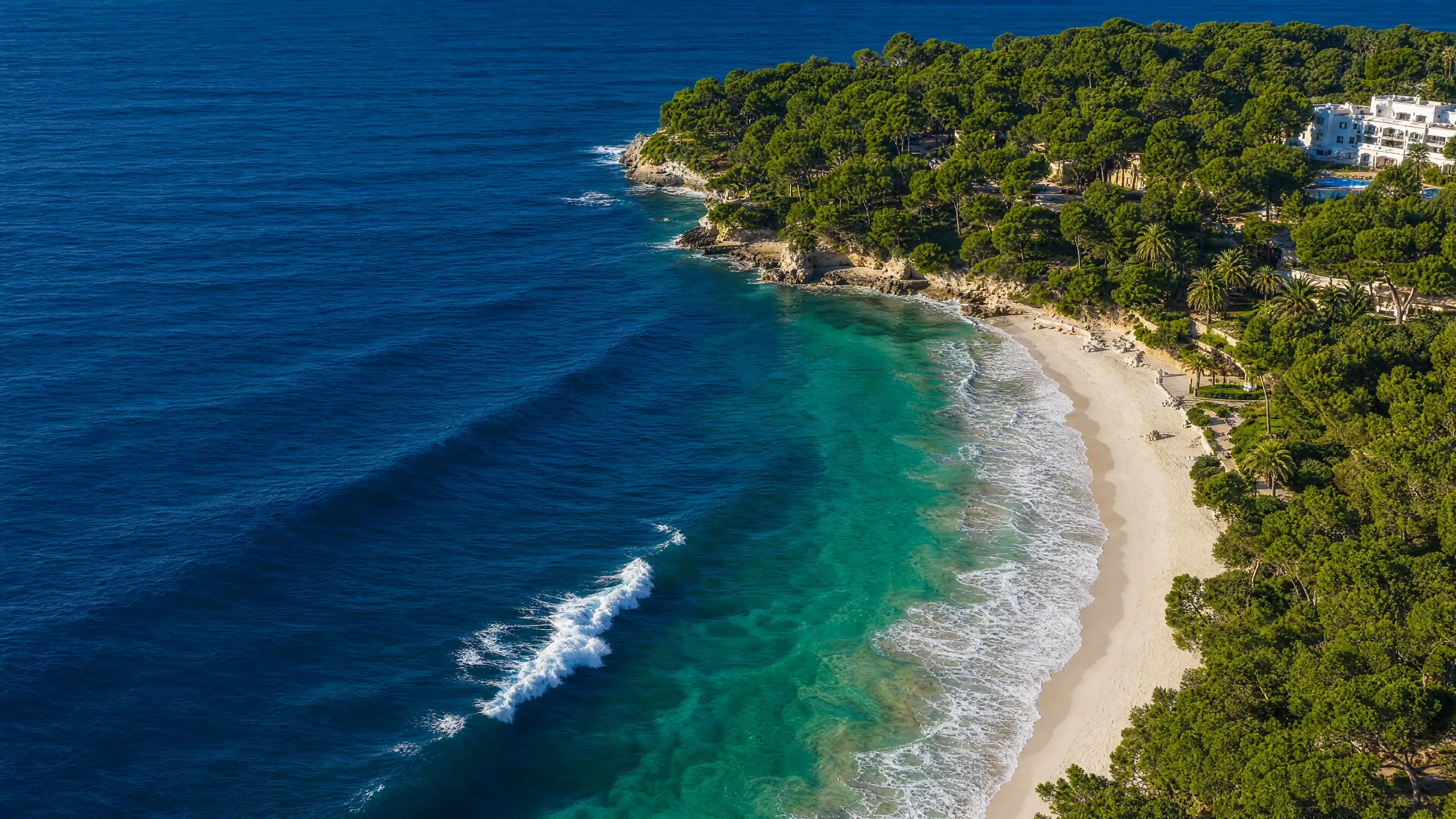
A tourist from Kazakhstan should plan a holiday in Tunisia from May to October, when the sea warms up to comfortable temperatures. There is no direct flight from Almaty, so the flight will take from ten hours with a transfer in Istanbul or Dubai. For families with children, Mahdia is considered the optimal resort with a gentle slope into the water, while Hammamet or Sousse are suitable for those who love lively animation.
Tunisia without a visa: what should a tourist from Kazakhstan know?
A holiday in Tunisia from Almaty is organized through tour operators who handle all the formalities.
Entry rules and documents for citizens of the Republic of Kazakhstan
Tours to Tunisia from Almaty are booked with accredited tour operators who confirm the right to stay for up to 90 days. When departing from Almaty, a tourist should have hotel booking confirmation and a return ticket on hand. Having insurance will save you from unnecessary expenses in case of sudden illness far from home.
Time difference and adaptation to time zone changes
The time difference with Almaty is 4 hours all year round: Tunisia is on UTC+1, Kazakhstan on UTC+5. Arriving in the morning, a tourist lands in the local afternoon, and the first day is best spent on light relaxation by the pool. The body adjusts within a couple of days, so serious fatigue from the time change usually does not occur. When planning calls home, take this difference into account so as not to wake your relatives with a nighttime call.
Season for the ideal sea: from May to October
Tunisia's climate allows swimming for almost six months, and the choice of travel dates determines the quality of beach holidays. The resort country welcomes guests with a warm sea and a large number of sunny days.
Water temperature by month: from May to October
A tourist from Kazakhstan should focus on their own preferences in water and air temperature. In May, the sea off the coast of Tunisia warms up to +20°C, which is only suitable for seasoned swimmers. June brings a comfortable +22°C, while July and August delight bathers with +26...+27°C. September retains summer warmth in the water at about +25°C, and this month is considered one of the best for family holidays. In October, the sea cools to +20°C, but sunny days still allow you to enjoy the beach. For those who prefer truly warm water, July and August are optimal.
Indian summer and features of September
September in Tunisia is called the Indian summer season, when the heat subsides and the sea remains gentle and warm. There are fewer tourists at the resorts, which makes the beaches more spacious and peaceful. Rare brief showers are possible, but they do not spoil the overall impression of the holiday. In the evening, it is worth bringing a light jacket, as the air cools noticeably after sunset. This period is ideal for travelers who do not like crowds and scorching sun.
How to plan a flight and transfer from Almaty
The route from Almaty to Tunisia takes considerable time and requires planning connections. There is no direct scheduled flight between the cities, so the journey always includes a stopover.
Routes with one connection: via Istanbul or Dubai
From Almaty, it is most convenient to fly via Istanbul or Dubai, where the connection takes several hours. The total travel time is from ten hours, including waiting for the flight in the transit zone. Turkish and Emirati airlines offer convenient connections with departures to Tunisia. When choosing a connection, allow at least three hours for the transfer to avoid rushing. Night flights allow you to sleep and arrive at the resort refreshed.
How long to get to the hotel: from Enfidha to Djerba
Enfidha Airport serves the resorts of Hammamet and Sousse, with transfers taking 40–60 minutes. To Monastir, the journey from this airport will take about an hour and a half. Travelers to Djerba will have to cover a distance of 3–4 hours, including a ferry crossing. Mahdia is about two hours' drive from Enfidha, which is quite tolerable after a flight. Tours to Tunisia from Almaty usually include a transfer to the hotel, saving you from unnecessary hassle.
What to consider at the hotel and resort?
The choice of hotel in Tunisia determines the comfort of the entire holiday, so this issue should be approached carefully. The meal plan and beach location affect the budget and enjoyment of the trip.
Meal plans: where it is all inclusive and where it is bed and breakfast
Tunisia's resort infrastructure is diverse and can meet different needs. The all inclusive system is widespread in Tunisia, especially in large hotels in Hammamet and Sousse. Many resorts in Mahdia and Djerba offer bed and breakfast, which requires planning expenses for lunches and dinners. The meal concept directly affects the final cost of the tour and freedom of movement. For families with children, the all inclusive format is more convenient, saving you from searching for cafes. Those who love gastronomic discoveries will suit hotels with bed and breakfast, allowing them to dine at local restaurants.
Choosing a beach for children: Mahdia vs Hammamet
Mahdia is famous for its gentle slope into the water and fine sand, which is ideal for toddlers taking their first steps into the sea. Hammamet offers sandy beaches, but the depth near the shore increases faster, requiring parental attention. In Djerba, the shallows stretch far into the sea, allowing children to splash safely near the shore. In Sousse, the beaches are good, but in the high season they can be overcrowded with tourists. For a relaxing holiday with children, Mahdia looks preferable to the crowded Hammamet.
What to do on a rainy day: thalasso and excursions
If the weather lets you down, Tunisian resorts offer a worthy alternative to the beach in the form of thalassotherapy. Centers in Hammamet and Sousse are famous for treatments based on sea water and algae. History lovers should head to Carthage or the amphitheater in El Jem, which impress with their scale. A trip to the Sahara will take a whole day but will give unforgettable impressions of desert landscapes. In the evening, tourists are awaited by show programs at hotels and walks along the waterfronts of Mahdia.
What tourists are warned about before the trip
Local rules and customs of Tunisia differ from those familiar to a Kazakhstani, and knowing them will protect you from misunderstandings. Currency, alcohol, and behavior in public places have their own features. A prepared tourist feels more confident in a foreign country.
Currency, exchange receipts, and the ban on exporting dinars
Exchange money at banks or hotels where the rate is better than at the airport in Almaty. Keep exchange receipts until departure, as they are needed for reverse conversion. At the markets of Sousse and Hammamet, carry small euro or dollar bills, as sellers often have no change. Rates at exchange offices may differ by several percent, so compare before the transaction.
Local rules: alcohol, tips, and dress code in mosques
Alcohol in Tunisia is sold only in licensed hotels, bars, and specialized stores; it is not available in regular supermarkets. Tips in restaurants are usually 5–10% of the bill, but are often already included as a service charge. To visit mosques in Kairouan, women need modest clothing and a headscarf, while men need trousers instead of shorts. During Ramadan, the opening hours of cafes outside hotels shift to the evening, and public catering may be closed during the day. Local cuisine is spicy, and even children's dishes may contain harissa, so check when ordering.
In brief
- Plan your trip from May to October, when the sea in Tunisia warms up to +20...+27°C.
- The flight from Almaty takes from ten hours with a transfer in Istanbul or Dubai.
- A family holiday in Tunisia is best organized in Mahdia with a gentle slope into the water.
- Alcohol is sold only in licensed places, and modest clothing is required in mosques.