
Transfer between flights

Section heading: Transfers and their types
A transfer between flights is a stop at an intermediate airport, after which the traveler continues the journey on another plane. From Almaty, almost any long route is built through such a hub. A transfer can be connecting, when both segments are in one ticket, and self-transfer, when tickets are bought separately. The difference is felt immediately when the first flight is delayed.
Short and long transfer
A transfer of up to two hours is considered short, and it suits only experienced tourists without baggage. A long transfer between flights gives a buffer but eats up a day of rest. For Almaty, a transfer of three to four hours is considered optimal. During this time, the tourist has time to go through control and reach the required gate.
A night transfer between flights is harder than a daytime one, especially with a child. If the transfer exceeds eight hours, many airlines provide a rest room. It is worth clarifying this in advance, because carriers have different rules. In winter, a transfer at a northern airport can stretch out due to weather.
Transfer airports from Almaty
From Almaty, it is most convenient to connect in Istanbul, Dubai, Doha and Seoul. Each hub dictates its own conditions for time and comfort. Istanbul is good for the frequency of flights to Europe. Dubai helps on routes to Asia and Africa. Doha is convenient for long flights to the west. Seoul will be useful for those flying to East Asia or Oceania.
The choice of hub affects how long the transfer between flights will last.
Seasonality and hub load
In summer and during the December holidays, transfers between flights take place in the busiest airports. Queues at control stretch out, and the time buffer melts away. In spring and late autumn there are noticeably fewer people. In January and February, delays occur more often due to snow and wind. In July and August, thunderstorms in Europe and Southeast Asia interfere.
When planning a transfer, look not only at your route, but also at the weather at the hub.
What to take in hand luggage
- Passport and printed tickets.
- Medicines for a day.
- Charger and power bank.
- A spare T-shirt.
- Toothbrush and toothpaste.
- A thin scarf or blanket.
- A water bottle.
- Headphones and earplugs.
Mistakes during a transfer between flights
The most common mistake is buying two separate tickets to save money. If there is a delay, no one will transfer the first segment to the next plane. The second mistake is too short a time buffer in an unfamiliar airport. The third is leaving the transit zone without necessity. They will only let you back in after a new control. The fourth mistake is leaving warm clothes in baggage before a cold hub.
The fifth is not checking whether the transfer airport changes within one city. Such a connection requires a separate transfer and an extra two hours.
How to pass the waiting time
A long wait between flights does not have to be torment. Large hubs have capsule hotels and showers. Some airports offer free tours for transit tourists. Download films and books to your phone in advance. Take light food if you do not trust local cafes. A walk around the terminal helps you stretch after long sitting. If the connection is at night, look for a quiet corner near the boarding gate.
Children and transfers
With children, a connection requires more time and patience. Allow a buffer of at least four hours. It is better to check the stroller in as baggage to the final point. Keep a snack and the child's favorite toy in hand luggage. A night flight with a baby is tolerated more easily than a daytime one. Ask for aisle seats so you can get out without inconvenience.
At the transfer, find a children's play area if there is one in the terminal.
What to do in case of a delay
If the first segment is delayed, immediately go to the carrier's desk. If the ticket is single, they are obliged to select the next flight for you. With separate tickets, you will have to buy a new segment yourself. Keep boarding passes and receipts for food and hotel. Photograph the board with the delay, this will be useful later. A calm conversation at the desk works better than a scandal.
If the connection is missed, ask for written confirmation.
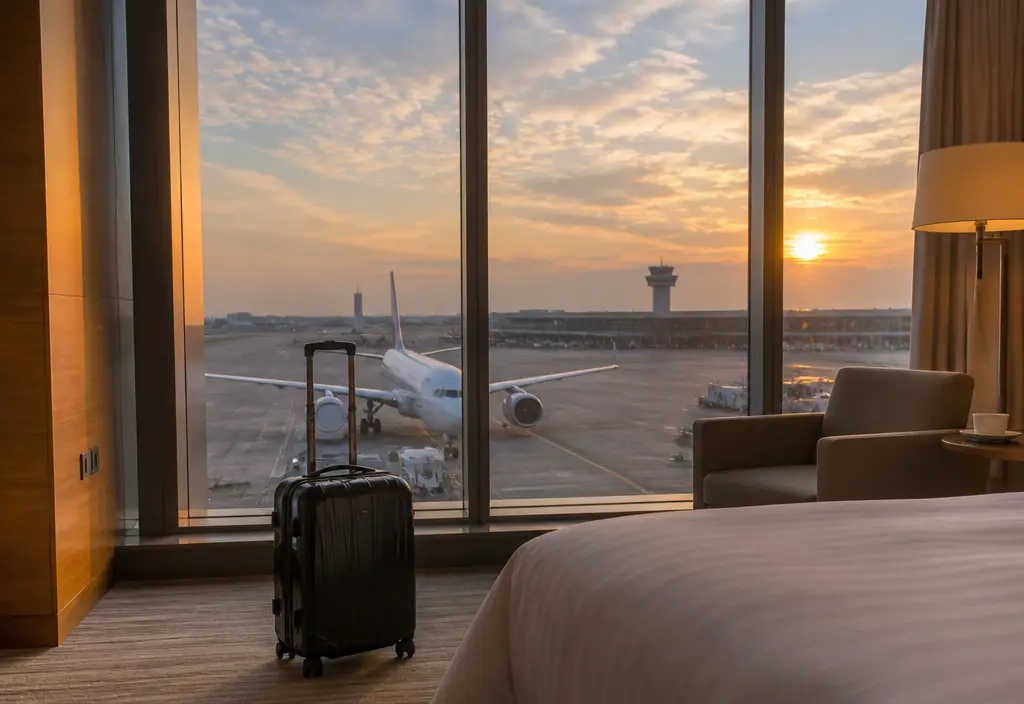
The cheapest connection from Almaty is in late September, in October and in the second half of February. In summer, from June to August, as well as during Nauryz days, such options are snapped up faster, and prices rise following direct flights. In winter, flights are more often through Istanbul and Dubai, in summer Seoul, Beijing and Bangkok are added.
When is it cheaper to fly from Almaty with a connection?
A connection in high season costs more and takes more energy. Let's break down when a transfer between flights from Almaty pays off, and when it's better to wait.
Calendar of high demand and holiday peaks
The peak of demand in Almaty falls on June–August. In these months, connecting options are snapped up faster, and prices for them rise following direct ones. A second surge is given by Nauryz: short holidays coincide with mass departures, and a transfer on these days costs noticeably more. The calmest time to fly is in late September, in October and in the second half of February.
Winter holidays are also overloaded, but there not only demand but also weather takes its toll: delays at the connection happen more often. If your dates are flexible, shift your departure by two or three days from the holiday, and the transfer will cost less. Look not only at the ticket price, but also at the total duration of the trip: a cheap connection with an overnight wait eats up a day of rest.
Seasonal routes through Istanbul, Dubai and Asia
In winter, flights from Almaty are more often through Istanbul and Dubai. These destinations operate year-round, and the transfer between flights there takes place in a warm terminal. In summer, routes through Seoul, Beijing and Bangkok are added. Asian hubs are convenient for trips to Southeast Asia, but in summer they have a rainy season, and this is worth considering when choosing a connection.
Istanbul is good in spring and autumn: mild weather allows you to go out into the city during a long wait. Dubai is more comfortable in winter, in summer it is too hot for walks. A transfer through Asian hubs wins on price, but loses on travel time. Check how many hours the connection itself takes: saving a couple of thousand tenge is not worth an extra night in the terminal.
What transit conditions apply for citizens of Kazakhstan?
Entry rules depend on the connection country and change without warning. Check them before buying a ticket, not at the airport.
Where a long wait turns into a walk
In UAE and Turkey, a simplified entry regime applies for citizens of Kazakhstan. This means that during a long wait you can go out into the city instead of sitting in the terminal. The transfer between flights there turns into a short walk: see the market, eat proper food, stretch your legs. Check the conditions and terms of such entry in advance, because they are periodically revised.
For a long connection this is a noticeable saving of energy, especially if you are flying with a child. Just check whether you have time to return: the road from the airport to the center of Istanbul or Dubai takes time. If there are less than six hours before departure, it's better to stay in the transit zone. And keep your boarding pass for the second flight in hand.
Transit through China and Schengen: what to clarify in advance
When flying through China, the conditions for Kazakhstanis differ from the conditions for other passports. Clarify them before buying a ticket, otherwise the connection may fall through right at the departure airport. If the connection takes place in Schengen, a valid visa is required to leave the transit zone. Even with a wait of several hours, without it you will remain in the sterile zone.
A transfer between flights at a Schengen airport without a visa is possible only under certain conditions, and they are also checked in advance. Clarify everything in official sources of the connection country, not on forums. Rules change, and what worked a year ago may not apply today. If in doubt, choose a connection in a country with a clear regime.
How to calculate the time buffer for a connection
The time buffer is calculated not by the schedule, but by the worst-case scenario. Let's break down what to add to a standard connection.
Time zone difference and acclimatization
The time zone difference between Almaty and Europe or America hits the body harder than it seems. The transfer between flights in this case takes place against a background of fatigue, and a larger time buffer is needed than usual. When flying west, the difference reaches five to seven hours, east — less, but sleep is still disrupted there.
Add an hour to an hour and a half to the connection if you are flying at night or after a sleepless night. In a long wait, it's not so much the waiting that is hard as navigating an unfamiliar terminal with a disrupted internal clock. Drink water and don't overdo coffee: it helps for an hour, and then only gets in the way.
If the connection is short and the time difference is large, choose an option with one transfer, not two.
Connection on one ticket and on separate ones
On one ticket, the airline is responsible for the connection: in case of delay it rebooks you for free. A transfer between flights on separate tickets does not give such protection, and no one is obliged to reschedule the second flight. The price difference can be noticeable, but the risk falls on you. Count it this way: if the connection is less than three hours, separate tickets are a bad idea.
If there are more than six hours between flights, the risk is lower, but still remains. It is convenient to choose a connection at an airport from which there are direct flights home: in case of cancellation it is easier to return. One ticket is more expensive, but if the first flight is delayed you will be rebooked rather than left in the terminal. For long trips with children, take one ticket.
What to consider when waiting at the airport
Waiting in the terminal costs money and energy. Plan it the same way as the flight itself.
Expenses, currency exchange and card payment
Food and drinks at connecting airports in Europe and the UAE are noticeably more expensive than in Almaty. A transfer between flights in Dubai or Istanbul easily eats up a day's budget if you buy everything on site. Plan part of your expenses in advance and take a little cash. Currency exchange at the airport is usually unprofitable, the rate there is worse than in the city.
In some transit zones only cards or local currency are accepted, and cash tenge will not help. Check whether your card works abroad and enable payment in the required currency. Take water with you after security: in the terminal it costs several times more. A snack from home also saves money and time in the queue.
Rest areas, lounges and capsule hotels
At the airports of Istanbul, Dubai and Seoul there are free rest areas. A transfer between flights during peak hours leaves them in name only: seats are taken quickly. If the connection is long, a lounge subscription or a capsule hotel booking solves the problem. A lounge offers quiet, a shower and food, a capsule offers the chance to sleep horizontally. It is worth booking in advance, especially in high season.
At night the difference between a chair in the hall and a capsule is huge. If the connection falls at night, decide in advance: stay in the transit zone or take a hotel near the airport. A hotel outside the terminal requires time for the road and transfer.
Preparing for a trip with a connection
It is better to pack your carry-on and arrange insurance before departure. On the road there will be no time for that.
First aid kit, adapters and carry-on
Sockets and adapters differ in different countries, so put a universal adapter in your carry-on. A connection often takes place in a terminal where charging costs money or is not available at all. Take medicines that may be needed on the road in their original packaging and with a prescription if necessary. Painkillers, a remedy for nausea and a bandage take up little space but come in handy.
A spare T-shirt and a toothbrush will be useful during a long wait. In high season flights from Almaty are full, so choose a seat and check in online in advance. This saves time at the airport and reduces the risk of being left without a seat next to you.
Insurance covering delay and missed connection
Travel insurance should cover flight delay and a missed connection. A connection without such coverage leaves all expenses to you. Read the terms before buying a policy: not every program includes these risks. If the connection is issued on separate tickets, coverage is especially important. Calculate how much a new ticket and a night in a hotel will cost, and compare with the price of the policy.
Ordinary medical insurance does not cover such cases. Check with the insurer what exactly is included in the program, and keep all documents about the delay.
Visa and entry rules change: check with the primary source — the Aviation Administration of the Republic of Kazakhstan, caa.gov.kz. The information on this page was verified on 15.09.2026.
In short
- Plan your departure outside June–August and outside Nauryz if you want to save.
- In winter choose Istanbul and Dubai, in summer Seoul, Beijing and Bangkok are added.
- Check the entry rules of the connection country in advance, not at the airport.
- One ticket protects you if you are late, separate tickets do not.
- Arrange insurance with coverage for delay and missed connection.


