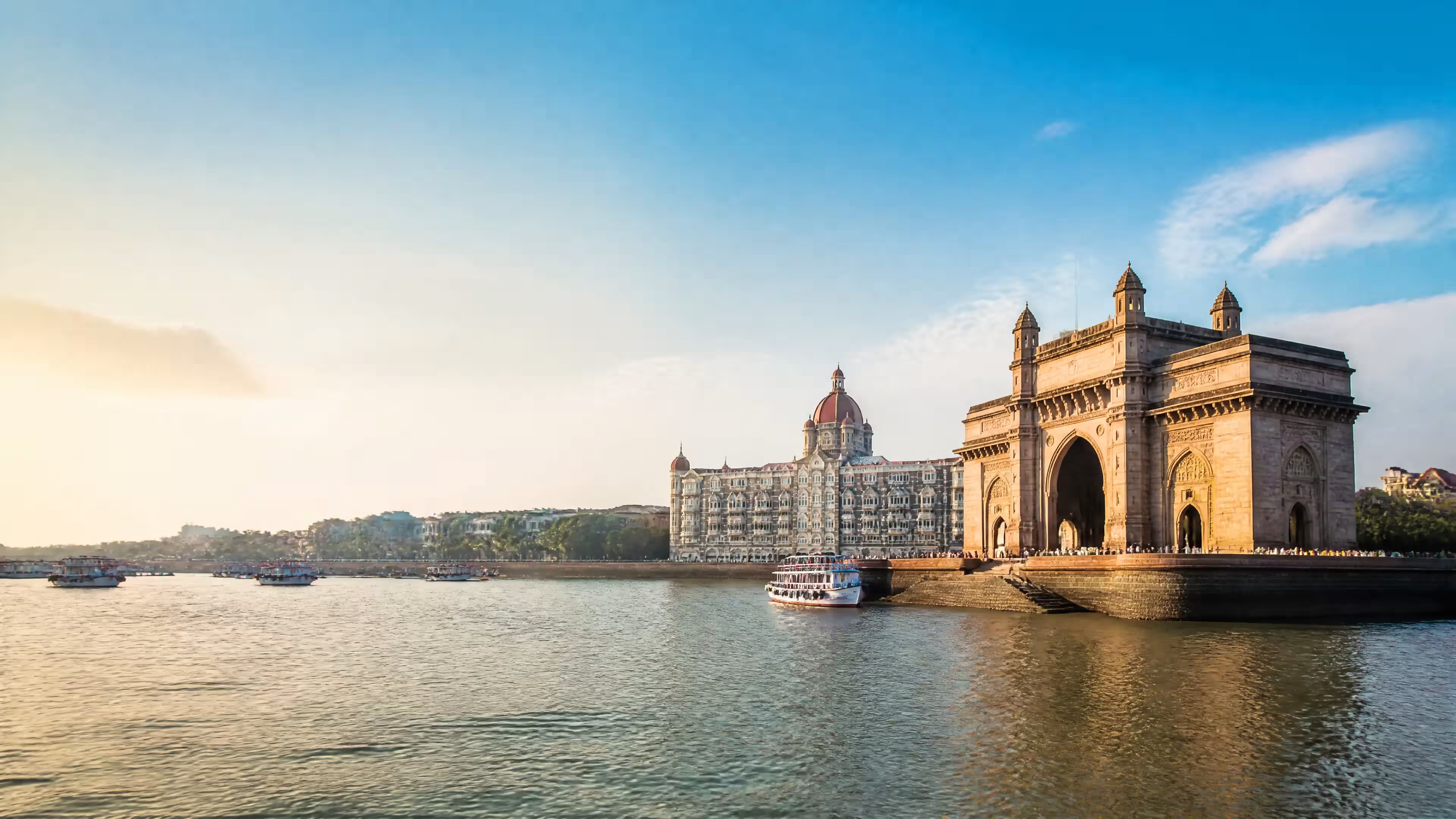
Holidays in India are a country of contrasts, where in one trip you can see the Himalayas and tropical beaches. The best time for tours to India from Almaty is from October to March, when it is dry and warm. A direct flight to Delhi takes about four hours, to Goa — with a connection. The rainy season lasts from June to September; during this time in the south it is hot and humid.
What is important to know before the trip
Trip planning begins with documents and the route. For a tourist from Kazakhstan, it is important to prepare papers in advance, think through the flight from Almaty and understand how holidays in India are organized.
What documents are needed for tours
For citizens of Kazakhstan, trips to India require an electronic permit issued in advance, before departure from Almaty. The application is filled out online, the category is chosen according to the purpose of travel. Tourists are usually suitable for the short category for 30 days with double entry. There is an option for a year and for five years — it is convenient for those who plan to return to India more than once. The processing time takes several working days, so it is better to submit documents a couple of weeks before departure. The form must be filled out carefully: a typo in the name or document number leads to refusal. A photo and a scan of the passport page are attached directly to the form. Upon arrival in Delhi or Goa, the border officer puts a stamp, and from that moment the countdown of the permitted period begins.
What to clarify before departure
A copy of the passport is kept separately from the original: it will be useful when checking into the hotel and for domestic flights. A separate item is the online health declaration for arriving flights. Its relevance and form are clarified right before departure from Almaty, since the procedure has changed repeatedly. It is usually filled out in the app or on the carrier's website. The printed confirmation and the address of the first hotel are presented at the desk. Without a completed form, you may not be allowed on the flight, so the check is left for the last day. It is better to keep all papers in one folder — it is calmer on the road.
How to get from Almaty and spend the first days?
The journey to India from Almaty takes less than a day, but requires preparation. It is better not to overload the first days of rest with excursions, but to let the body get used to the new rhythm.
How long the journey takes
A direct flight Almaty — Delhi takes about four hours, this is the fastest way to get there. Connecting routes through Dubai or Istanbul stretch the journey to eight to twelve hours with waiting. The choice depends on where the course lies: to Goa and Kerala, an internal flight is still needed. Tickets for domestic lines in India are cheap, but check-in and security take a lot of time. Trains are a separate local experience that is worth trying at least once on a short section. When connecting in Dubai, allow at least three hours, otherwise you may not make the transfer. Baggage sometimes has to be collected and checked in again; this is clarified with the carrier. In high season, tickets sell out quickly, so it is better to book in advance.
How acclimatization goes
India is behind Almaty by only thirty minutes, so there is almost no need to adjust. This noticeably eases the first days of rest. From Delhi airport to the city, it is most convenient to go by prepaid taxi or ordered transfer. On the spot, bargaining about the price after getting into the car is pointless. In Goa and Kerala, the transfer to the hotel often takes an hour or more due to narrow roads. Acclimatization in India is more about getting used to the heat and humidity than to the time zone. It is better to spend the first day calmly: pool, light food, early sleep. Drink more water and do not plan long trips immediately after arrival.
Money, communication and everyday expenses
Financial details in India decide a lot. The exchange rate, cash and communication should be thought through even before departure from Almaty, so as not to waste time on the spot.
How to exchange currency and withdraw cash
The national currency of India is the rupee, and it is almost nowhere possible to exchange tenge directly. It is more profitable to bring dollars or euros and exchange them at banks or exchange offices. The rate at Delhi airport is usually worse than in the city, so a small amount is enough for the first hours. Large bills are accepted more readily than crumpled and old ones. ATMs do not accept foreign cards everywhere, especially in small towns and markets. Cash is needed for taxis, small purchases and tips. Part of the money is kept separately from the main amount — it is calmer on a trip through India.
How to buy a SIM card and how much to tip
A local SIM card is issued by passport; for tourists there are prepaid tariffs with internet. You can buy it at the operator's salon in Delhi or Goa, sometimes directly at the airport. Activation takes from several hours to a day, so communication does not always appear immediately. Internet in hotels is enough for messaging, but for maps and calling a taxi it is better to have your own. Tips in restaurants and hotels in India are about ten percent of the bill. In taxis it is customary to simply round the amount up. The porter and cleaner are given small change; this is part of local etiquette.
Safety and health during the trip
Health in India requires more attention than in Europe. Medicine for foreigners is paid, so preparation pays off fully.
What insurance and first aid kit are needed
Insurance with medical expense coverage is mandatory: treatment for foreigners in India is expensive. The policy must include hospitalization and, preferably, evacuation. Vaccinations against hepatitis A and typhoid fever are recommended; the decision on malaria depends on the region. A doctor's consultation should be obtained a month before departure from Almaty. The first aid kit is assembled in advance: painkillers, diarrhea remedies, antiseptic, bandages, allergy medications. Prescription drugs are taken with a supply and in the original packaging. Copies of the policy and medical prescriptions are kept on the phone.
What to eat and drink without risk
In India, water is drunk only bottled, outside major hotels — without exceptions. It is also better not to take ice in drinks on the street. Indian cuisine is spicy and often vegetarian, and people do not get used to it right away. In the first days, they choose simple dishes: rice, flatbreads, stewed vegetables. Fruits are washed and peeled independently, salads from the market are not eaten. Hands are treated with antiseptic before eating; this noticeably reduces the risk. If indigestion does begin, drinking plenty of fluids and rest help.
What customs and rules of behavior are important for a tourist?
India is a country of traditions, and a tourist should know the basic rules. Respect for local customs noticeably simplifies holidays in India.
How to dress and behave in temples
When entering a temple, shoes are removed; sometimes they are left for storage at the entrance. Clothing should cover the shoulders and knees, especially in Delhi and the southern states. In Kerala and Goa, near beach temples, the requirements are softer, but shorts are still inappropriate. It is more convenient for women to have a scarf or shawl with them. Photography inside is often not allowed, and signs warn about this. Headwear is removed in some temples, while in others, on the contrary, the head must be covered. It is better to first see how locals behave and repeat it.
How to bargain and respect local traditions
Bargaining in markets in India is the norm; the starting price may be inflated several times. It is worth starting with a third of the named amount and staying calm. A smile and politeness work better than pressure. In temples and residential areas, it is not customary to talk loudly or show emotions. It is not worth photographing people without permission, especially women and children. Money and food are not handed over with the left hand; this is a local norm. Respect for traditions in India is returned with hospitality and the best prices.
Visa and entry rules change: check with the primary source — the portal of electronic visas of the Republic of India, https://indianvisaonline.gov.in/. The information on this page was verified on 12.09.2026.
Briefly
- The season for a trip to India is from October to March, when it is dry and warm.
- A direct flight from Almaty to Delhi takes about four hours.
- It is more profitable to bring dollars or euros: tenge cannot be exchanged for rupees.
- Water is drunk only bottled; ice on the street is not taken.
- In temples, shoes are removed and shoulders and knees are covered.