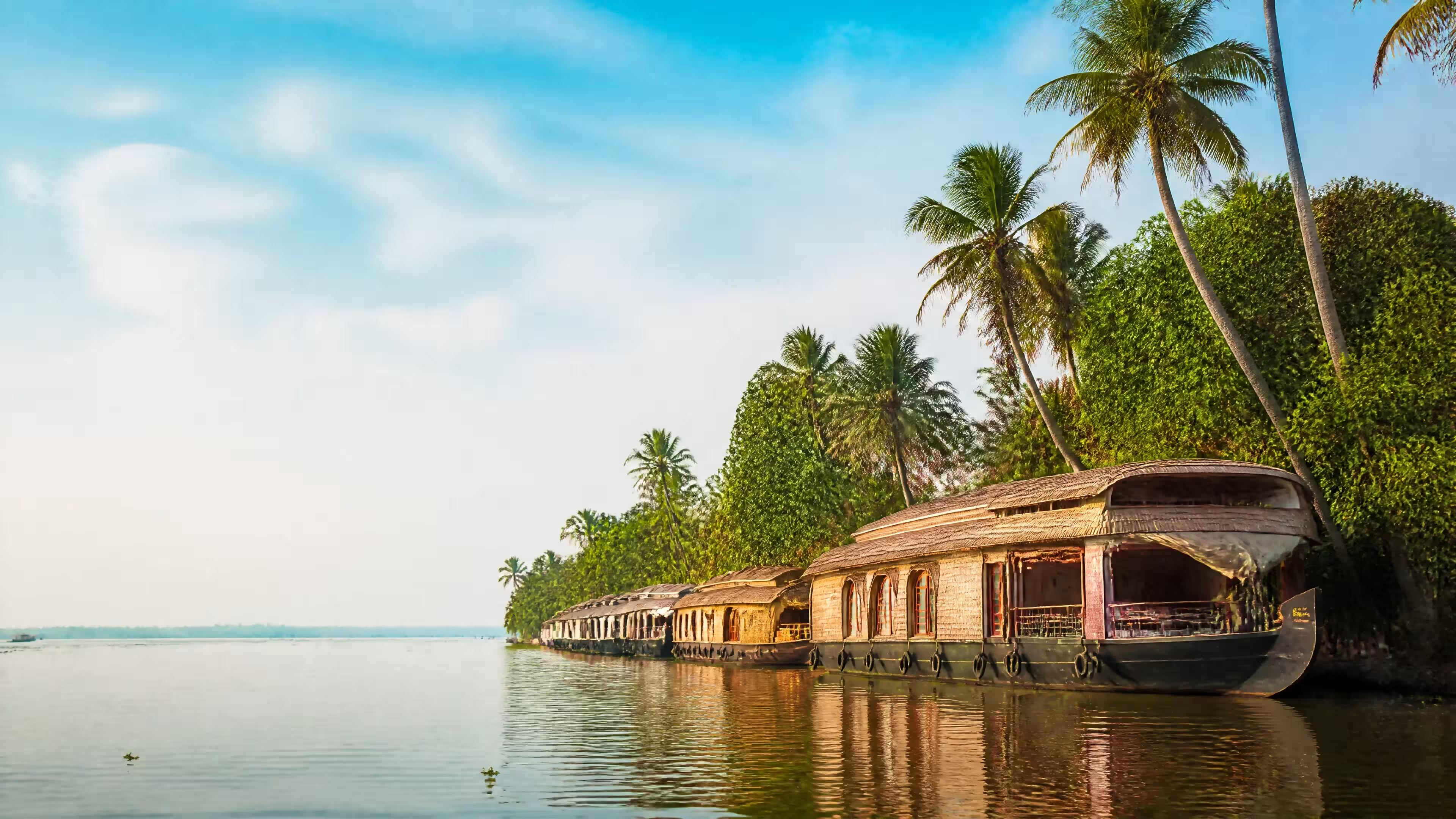
Holidays in Kerala are southern India with the beaches of the Arabian Sea, Ayurveda and a mild climate. The best season for a trip lasts from October to March, when the weather is dry and clear. There are no direct flights from Almaty, the route is built through Delhi, Dubai or Istanbul, the journey takes from several hours to a day.
How to prepare for a holiday in Kerala
Kerala is a state in southern India where people go for beaches, Ayurveda and tranquility. For a guest from Almaty, the trip begins with calculating money, the season and the route. Below is what is worth thinking through before departure.
Currency, cards and cash on site
The Indian rupee is the only currency accepted everywhere in Kerala. Exchanging tenge directly in the state is almost impossible, so dollars or euros are brought from home. Cards from Kazakhstani banks do not work everywhere: large hotels accept them, but markets, rickshaws and guesthouses do not. Cash will come in handy for food, transport and small purchases. ATMs in tourist cities are common, but the commission can be high. It is reasonable to keep part of the amount in small notes. Large banknotes are often not accepted at the market due to a lack of change. Exchange offices at the airport give an unfavorable rate, it is better to exchange in the city.
Packing and communication on site
Packing a suitcase for a trip to the tropics is not difficult if you remember about humidity and sun. Light clothing made of natural fabrics dries faster than thick clothing. A local SIM card requires registration with a passport, and roaming with Kazakhstani operators is expensive. Wi-Fi in Kerala hotels is usually available, but the speed drops in remote areas. Adapters for sockets will come in handy: the type of plugs here differs from the usual one. The first aid kit is assembled at home, not on site.
The journey from Almaty and logistics within the state
Tours to India from Almaty almost always include a flight with a connection, and the journey takes from several hours to a day. Within the state, people travel by trains, cars with a driver and short flights.
Connections through Delhi, Dubai and Istanbul
There are no direct flights from Almaty to Kerala, and the route is built through major hubs. Delhi is convenient for connecting to a domestic flight to Kochi or Trivandrum. Dubai and Istanbul offer more options for departure times and often shorter waits. The difference between routes is from a couple of hours to almost a day in travel. Night connections are exhausting, especially with children. Tickets on one form save time during the transfer. Baggage is usually checked through to the final point if the flights are linked by one carrier. It is worth leaving a gap between flights of at least three hours.
Trains, drivers and domestic flights
It is convenient to travel around the state by trains: the network connects Kochi, Alleppey, Trivandrum and Kozhikode. Tickets for popular destinations are snapped up in advance, especially in high season. A car with a driver gives freedom and costs predictably per day. Domestic flights help on long segments, but require time to get to the airport. Rickshaws are good for short trips around the city. Renting a scooter suits experienced drivers. Distances between cities are short, but mountain roads slow the journey.
When is the best time to go to Kerala
Tours to Kerala are planned around the dry season, because the monsoon changes the whole schedule. State holidays add bright dates, but also raise demand for hotels.
Dry season and monsoon
The best time for a trip to Kerala is the dry season from October to March. In these months the weather is clear, the sea is calm, and humidity is easier to tolerate. December and January are the peak of demand, hotels become more expensive, it is worth booking several months in advance. The monsoon comes from June to August and brings downpours and high humidity. Beach holidays in Kerala in these months are difficult, but nature turns green and prices fall. The transitional months — April, May and September — are hot and humid. For excursions and Ayurveda, the off-season is no worse. Rains come in short powerful waves, not all day.
Festivals and holidays of the state
Onam is celebrated in August or September, and it is the main holiday of Kerala. Streets are decorated, boat races and festive processions are held. Thrissur Pooram takes place in April or May and is known for its elephant parade. The dates of both holidays depend on the lunar calendar, so they are checked before the trip. On festival days, hotels in Kerala are booked in advance, almost no rooms remain. Holidays give vivid impressions, but add crowds and noise. Those who seek silence are better off choosing dates outside these periods.
How is Ayurveda treated and applied?
Indian Ayurveda is a separate reason to come to Kerala, and the state is considered its birthplace. Courses are held all year round, but the rainy season is considered especially favorable.
Doctor's consultation and duration of the course
The course begins with a consultation with a doctor, who examines the guest and prescribes procedures. Treatment is not started without an examination, even if the guest is sure of the diagnosis. The minimum course lasts about a week; during this time the body gets used to the regimen. Full-fledged programs take two to three weeks. The cost includes massages, oils, diet and daily routine. Meals in clinics are vegetarian and light. Rest is prescribed between procedures, and exertion is limited. It is worth choosing a clinic in advance and clarifying what is included in the program.
Cleansing programs in the rainy season
Classic cleansing programs traditionally take place in the rainy season, when the air is humid and cool. At this time the body tolerates procedures more easily, and the pores are open. Resorts offer panchakarma, oil massages and herbal baths. The duration of programs is from seven days to a month. Prices for tours to Kerala in the low season are lower than in the dry months. Many centers operate at hotels and include accommodation. It is worth booking in advance, especially at well-known clinics. The doctor adjusts the program as the course progresses.
How to holiday with children and what rules to follow?
Travelling with children requires separate preparation, as does any trip to the tropics. Respect for customs and a well-planned first aid kit make the holiday calmer.
Insurance, vaccinations and first aid kit
Medical insurance is arranged separately, and some forms require confirmation of it. The policy must cover hospitalisation and evacuation. Vaccinations against hepatitis A and typhoid fever are recommended in advance, a month before departure. Malaria zones in Kerala exist in certain areas, so it is worth checking the route with a doctor. The first aid kit is assembled at home: painkillers, diarrhoea remedies, repellents and sunscreen. Medicines are taken in their original packaging. Water is drunk only bottled, and ice in street drinks is best avoided. Repellents will come in handy in the evening.
Dress code, tips and local rules
In Kerala's temples the dress code is strict: shoulders and knees covered, shoes removed at the entrance. Women are sometimes offered a wrap on site. Tips in restaurants and hotels are not mandatory but are welcomed. In taxis it is customary to round the amount up. Photographing people without permission is not advisable, especially in temples. Elephants on the streets are part of local life, but riding them sparks debate about ethics. Some hotels and agencies do not offer such excursions. Respect for customs makes the holiday calmer for both sides.
Visa and entry rules change: check with the primary source — the portal for electronic visas of the Republic of India, https://indianvisaonline.gov.in/. The information on this page was verified on 10.09.2026.
Briefly
- Kerala India — a southern state with beaches, Ayurveda and a mild tropical climate all year round.
- The optimal months for a trip are from October to March, the monsoon runs from June to August.
- The journey from Almaty is built via Delhi, Dubai or Istanbul and takes up to a day.
- Within the state, trains, a car with a driver and short domestic flights are convenient.
- An Ayurvedic course starts with a doctor's consultation and lasts from a week to a month.