
How to behave in an unfamiliar city
First hours after arrival
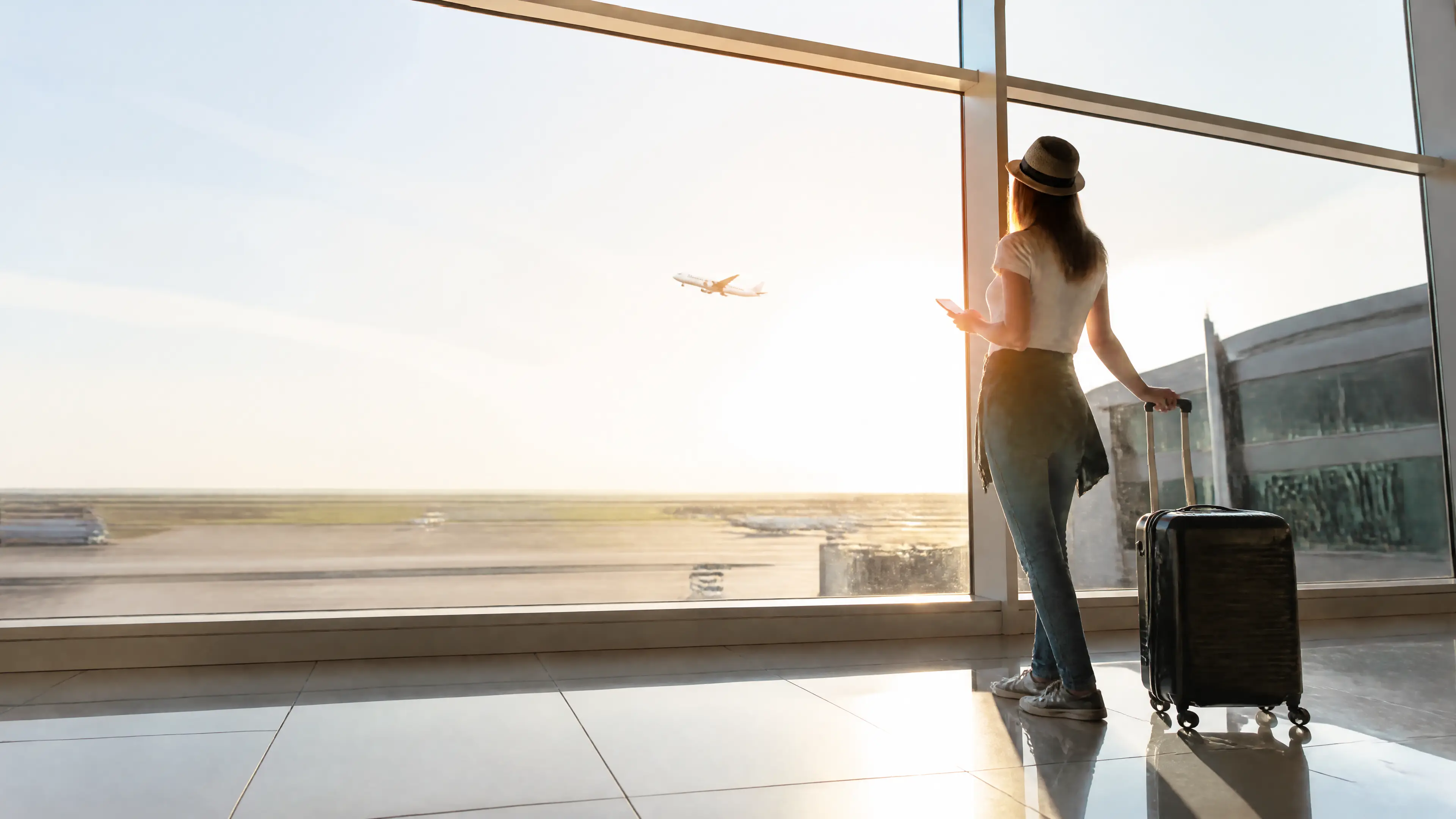
In an unfamiliar city, the first hours set the tone for the entire trip. A tourist from Almaty should immediately assess the area where the hotel is located. Calmly walk to the nearest store and pharmacy. Remember landmarks at the entrance. This way the city stops being foreign by evening.
What to take for a walk
The street does not forgive carelessness, especially in an unfamiliar place.
Put together a basic kit for the road
- A paper copy of the hotel booking.
- A charged power bank.
- A small amount of cash in small bills.
- A folding umbrella for the season.
- A first aid kit with usual medications.
- A local SIM card or offline map.
- A bottle of water.
How to behave on the street
A confident step and a calm look work better than any advice. Keep your phone in your pocket, not in your hand over the sidewalk. Carry your bag across your shoulder and close to your body. In a crowd and at the market, stay close to your group. Do not unfold a map in front of passersby. Ask for directions in a cafe or at the hotel desk. Answer an intrusive stranger briefly and move to a crowded place.
In the evening, choose illuminated streets, even if the route is longer. Trust your feeling: if a place seems uncomfortable, turn around without embarrassment.
Night walks
At night the city changes, and the rules become stricter. Decide in advance how you will return: on foot along a busy street or by taxi. Order a car through the app, not from the curb. Sit in the back seat and check the car number. Tell your loved ones the route and return time. Do not show cash near the car. If the driver suggests another route, calmly refuse.
In a bar, watch your glass and do not leave it unattended. Leave as soon as the company becomes intrusive. Morning in an unfamiliar city is more pleasant when the night passed calmly.
Money and documents
Money and papers are hidden so that the loss of one item does not ruin the trip. Carry them in two different places. Keep the main amount in a belt under your clothes. Keep a wallet with small change in your pocket for quick expenses. Store scans in your email and on your phone. Do not put the originals on a cafe counter. Make card payments so that the terminal is in your sight.
Do not recount large bills on the street. If something is missing, first check all pockets, then act calmly. In an unfamiliar city, composure is more valuable than panic.
Navigating a new area
Understanding where you are removes half of your worries. In the morning, walk a circle around the block with the hotel. Note the metro, stop and round-the-clock store. Save the hotel point in an offline map. Write down the street name on paper. Ask at the reception which areas are better to avoid. Keep one noticeable high-rise in mind as a beacon. If you get lost, go into a hotel or bank and clarify the way there.
This way an unfamiliar city turns into a clear scheme.
Local habits and respect
Respect for local habits opens doors faster than money. Watch how residents behave in line and on transport. Copy their pace and volume of speech. Ask permission before photographing people. In temples and at markets, cover your shoulders and knees. Do not argue about politics and religion with strangers. Learn five words of the local language — a greeting and thank you.
In an unfamiliar city, politeness works as a pass.
If something went wrong
A calm plan is more important than strong nerves. First, step away to a crowded and bright place. Call the hotel and describe the situation. Contact the insurance company using the number from the policy. Tell your loved ones in Almaty where you are and what happened. Contact the police and get a report slip. Do not sign papers you do not understand. Keep receipts and correspondence.
Then act step by step, not on emotions.
Seasonal features
The weather dictates how to behave on the street at different times of the year. In summer in hot cities, walk in the morning and after sunset. During the day, stay in the shade and drink water more often. In the rainy season, take a light raincoat and waterproof shoes. In winter in northern cities, warm layers and non-slip soles are needed. In spring and autumn, dress in layers: the day is warm, the evening is cold.
Watch the forecast before a long trip. In an unfamiliar city, the weather changes the route, not the plans entirely.
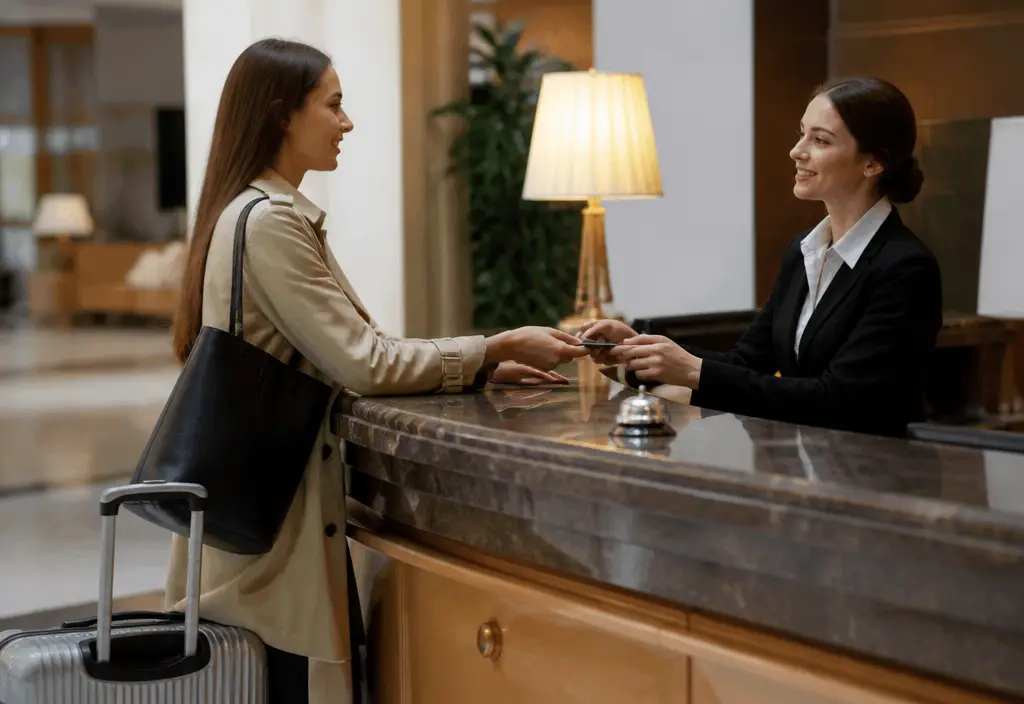
Planning a trip from Almaty is most convenient in the shoulder season — from late April to May or from mid-September to October. In these months, plane tickets and hotels cost noticeably less than in June–August and during the New Year holidays, and there are fewer tourists on the streets.
The weather is changeable: a warm day easily turns to rain, so an umbrella and a light jacket will come in handy in any of these months.
When is the best time to plan a trip from Almaty?
The season determines the price, the weather, and the number of people around. Planning a trip from Almaty begins with choosing a month.
High season and school holidays
Peak demand falls on June–August and the New Year holidays. Plane tickets from Almaty become noticeably more expensive in these months, and hotels at popular resorts are booked up in advance. It is worth booking two to three months before departure, otherwise the choice narrows to inconvenient connections and distant districts.
Families with children adjust to school holidays, so the end of June and the first week of January are the busiest dates. In the city on such days there are more queues at ticket offices and museums. For those seeking calm, it is more advantageous to shift the trip by a couple of weeks away from school holidays. That way the trip will cost less for the same weather.
Shoulder season: prices and changeable weather
The shoulder season in spring and autumn offers the lowest prices for accommodation and flights. In an unfamiliar city at this time there are fewer tourists, queues, and noise on the streets. The weather is changeable: the morning may be sunny, but by evening it will rain. An umbrella and a light jacket will come in handy any day. Some seasonal cafes and excursions may not be operating.
But museums, markets, and old quarters are accessible without crowds. If the goal is to calmly explore the city and not overpay, the shoulder season suits best.
What to consider before departure: documents and health
Preparation for a trip begins long before the suitcase. Papers and medicines gathered in advance remove half the worries.
Deadlines for paperwork and time buffer
Paperwork takes time, and in high season the queues at agencies are longer. It is worth checking the requirements on the official website of the consulate of the country where the tourist is flying. Copies of papers will come in handy separately from the originals.
Insurance, vaccinations, and a first-aid kit with prescriptions
Medical insurance with coverage for hospitalization and repatriation is arranged before departure from Almaty. Without it, treatment in an unfamiliar city can cost very much. Vaccinations against yellow fever and other infections are required for certain destinations, and their list should be checked on the WHO website.
The first-aid kit is assembled from familiar medicines: where the names of drugs differ, familiar packages help out. Prescriptions with the international name of the active substance help at the pharmacy.
How to prepare for an unfamiliar city: communication, money, and devices?
Communication, money, and devices are sorted out before departure. In an unfamiliar city, these three things determine how calmly the day will go.
Local SIM card, eSIM, and roaming of Kazakhstani operators
Roaming of Kazakhstani operators is expensive with active use of maps and messengers. A local SIM card or eSIM saves noticeably on communication. eSIM is more convenient: it is activated before departure, and in an unfamiliar city the phone works immediately after landing. A local SIM card is bought at the airport or at an operator's store; a passport is needed for this.
It is worth choosing a plan with a reserve of internet, because maps and a translator consume traffic quickly. It is better to save the number in notes; it will come in handy when booking a taxi.
Cash, currency exchange, and acceptance of bank cards
Bank cards of Kazakhstani banks are not accepted everywhere: some countries work mainly with cash. Therefore, in an unfamiliar city it is worth having a supply of local currency for the first day. It is better to exchange money at banks or official exchange offices, and not with private individuals on the street. The rate at the airport is usually less favorable than in the center.
Large banknotes are not always accepted in small cafes and shops. Small banknotes help out on transport and at markets.
Sockets, voltage, and a plug adapter
Sockets and voltage differ in different countries, so a plug adapter is taken along. In an unfamiliar city, without it you cannot charge your phone or turn on your laptop. The plug shape in Europe, Asia, and America does not match, and it is not always possible to buy the needed adapter on site. Devices with a voltage switch are checked before the trip.
The charger and power bank are placed in carry-on luggage, not in the suitcase. One universal adapter solves the issue at once for several countries.
How to behave in an unfamiliar city: language and local norms
Respect for local rules noticeably eases communication. How to conduct oneself in a foreign city will be prompted by language, clothing, and the first days of acclimatization.
Offline translator and basic phrases
An offline translator helps out where there is no internet. In an unfamiliar city, it helps at the pharmacy, cafe, and train station. It is worth downloading the needed language in advance, along with maps of the district. Basic phrases of the local language — a greeting, thank you, the bill — win people over better than loud English.
The app will suggest pronunciation, and a couple of learned words are remembered quickly. In cities with several languages, they clarify which one is more appropriate. Local residents are more willing to help someone who at least said hello in their language.
Clothing, behavior in temples, and gestures
Cultural norms differ by region, and it is better to clarify them before the trip. In temples and mosques, covered shoulders and knees are often required, and shoes are left at the entrance. Women in some countries will find a headscarf useful. Gestures are also read differently: what seems friendly at home may look rude in an unfamiliar city. It is not worth photographing people and shrines without permission.
Modest clothing and a calm tone save a lot of misunderstandings.
Time zones and acclimatization in the first days
Time zone differences with Europe and Asia affect the first days of the trip. In an unfamiliar city, the body gets thrown off, and sleep does not come on schedule. It is better not to fill the first day with sightseeing tours: a walk near the hotel and an early dinner help you get into the rhythm faster. Light in the morning and avoiding long naps during the day speed up adjustment.
Coffee and alcohol during the first day make it harder to fall asleep in the evening. It is calmer to plan important matters for the morning of the second day than for the day of arrival.
Car rental and driving
Having your own car gives freedom, but requires documents and attention. When driving in an unfamiliar city, the rules are read differently than at home.
International driving permit and notarized translation
An international driving permit or its notarized translation is needed if car rental and driving are planned. In an unfamiliar city, the rental company checks the documents before handing over the keys. It is better to arrange the translation in Almaty; doing it on site takes time and costs more. The driver's age and experience also affect the rental conditions.
A copy of the driving permit is kept separately from the original. Without the necessary documents, the car will not be issued, and plans will have to be changed on site.
Traffic specifics in the country of travel
The side of driving, right-of-way at intersections, and signs differ from country to country. In an unfamiliar city, it is better to drive the first kilometers along quiet streets. Toll roads, parking, and refueling are organized differently: in some places they pay in cash, in others only by card. Local drivers often drive more aggressively than in Almaty, and it is safer to keep distance.
A navigator with offline maps saves you when communication is lost. It is better not to resolve disputed situations on the road on your own on site.
Visa and entry rules change: check with the primary source — the Ministry of Foreign Affairs of the Republic of Kazakhstan on the gov.kz portal, gov.kz. The information on this page was verified on 15.09.2026.
Briefly
- Shoulder season in spring and autumn is cheaper than high season, but the weather is changeable.
- Documents and insurance with hospitalization are arranged before departure from Almaty.
- Communication is cheaper via a local SIM card or eSIM; roaming is expensive.
- Cash for the first day and a plug adapter are taken along.
- An offline translator, modest clothing, and extra time for acclimatization make the first days easier.


