
Transporting animals on a plane
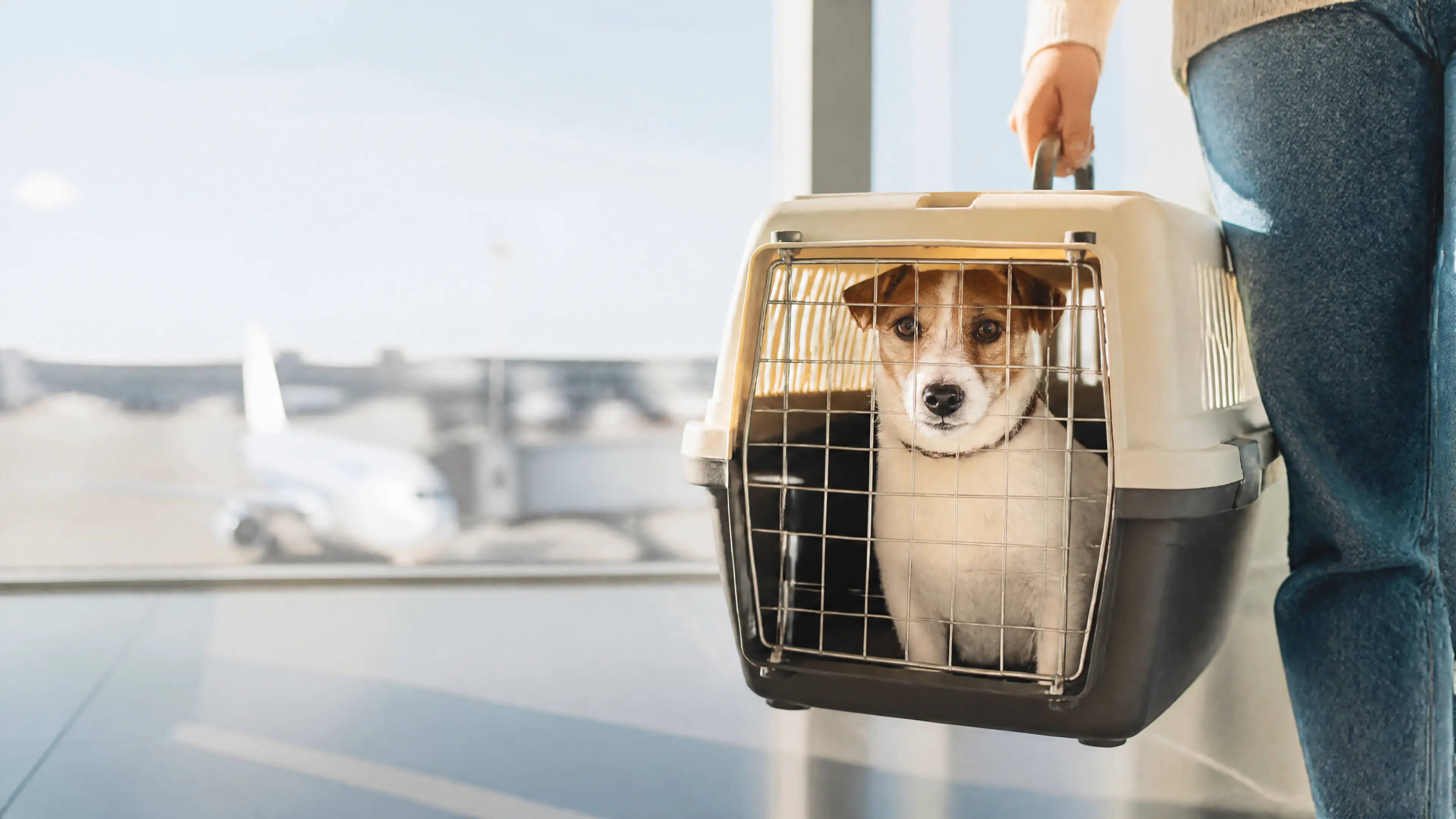
Transporting Animals by Plane
Transporting animals by plane from Almaty begins long before the day of departure. A pet during the trip requires documents, a carrier, and coordination with the airline. Below are practical steps for the owner.
What the Airline Decides
Airline rules differ more than it seems. Some carriers take animals into the cabin, others — only into the baggage compartment. The weight of the pet with the carrier often becomes the main restriction. Breed also matters: brachycephalic animals breathe heavily, and some airlines close transport for them. Coordination of the booking for an animal is done in advance, not at the airport.
Check the airline's rules before buying a ticket.
Veterinary Passport and Certificate
The pet's veterinary passport must have vaccination marks. The health certificate is valid for a limited period, so it is obtained shortly before departure. The veterinary passport is issued in advance so as to have time for vaccination. The certificate is issued at a state veterinary clinic at the place of residence. Without a veterinary passport, transporting animals by plane is impossible.
Check the deadlines: an expired certificate nullifies all the preparation. Keep the veterinary passport in hand luggage, not in a suitcase.
Carrier and Container
The carrier must correspond to the dimensions required by the airline. The container for the baggage compartment is taken rigid, with a reliable latch. The carrier in the cabin — soft, with ventilation on the sides. The container is selected according to the size of the animal: the pet must stand up to full height. A carrier with wheels is inconvenient in a narrow aisle.
Mark the container with a sticker with the nickname and your contact. The carrier must open in such a way that the animal does not jump out during loading.
Breed and Weight
Breed and weight determine whether the pet flies in the cabin or in the compartment. Weight is counted together with the container, not separately. A large breed almost always flies in the baggage compartment. The weight of a small dog allows taking it into the cabin. A breed with a short muzzle requires separate coordination. Weight and breed are the first questions when booking.
What Depends on the Season
Summer departure from Almaty is a test for the animal. In the heat, the pet during the trip overheats even before boarding. The container is placed in the shade, not in the sun. In winter the risk is different: cold in the baggage compartment and on the apron. A carrier with insulation helps in the frost. In spring and autumn, transporting animals by plane goes more calmly.
The veterinary passport and certificate are needed in any season. Morning flights in the heat are preferable to daytime ones. The pet during the trip drinks little, so the drinker is attached to the door.
Preparations Before Departure
- Veterinary passport with vaccinations
- Health certificate
- Carrier or container according to dimensions
- Absorbent pad on the bottom
- Drinker and a little familiar food
- Sticker with nickname and contact
- Leash and muzzle for the dog
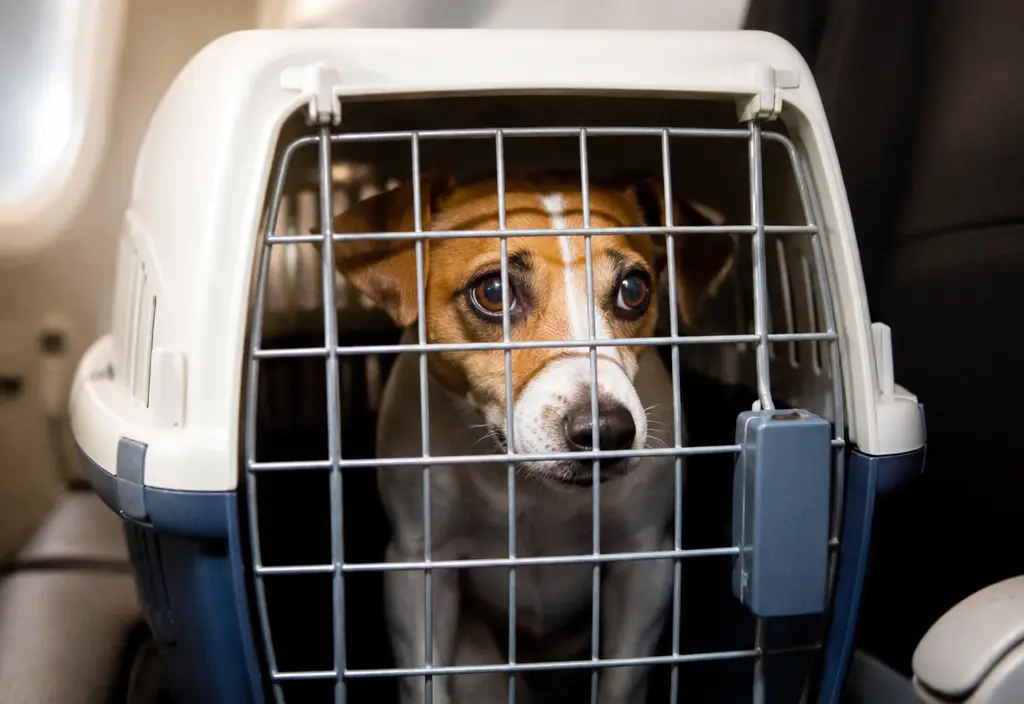
Pet in a trip by plane from Almaty: a veterinary passport and certificate are arranged in advance, a seat is booked with the airline, and a carrier or container is selected for the animal's weight and breed. A direct flight takes 3–6 hours, while a connection through Istanbul or Dubai stretches the journey to 10–18 hours. Weather restrictions apply in summer and winter.
A place for the animal in the cabin should be booked months before departure.
Transporting a pet by plane from Almaty
A pet in a trip from Almaty requires preparation long before the day of departure. The route determines how much time the animal will spend on the road. Transporting animals by plane begins not at the airport, but at home: with documents, booking, and selecting a carrier.
Direct flights and connections: what to choose for a pet
A direct flight from Almaty reduces the animal's travel time to several hours. A connection through Istanbul or Dubai stretches the pet's trip by many hours. The carrier becomes the animal's home for that entire period. During long layovers, the pet remains in the container in the transit zone. Airline rules determine whether leaving the carrier is allowed at all.
The animal's weight together with the container affects where it is supposed to fly. Breed also matters: brachycephalic animals tolerate long flights poorly. The choice of destinations from Almaty is limited, and this should be taken into account in advance.
What happens to the animal in the transit zone
In the transit zone, the pet remains in the carrier under the supervision of airport staff. The container is not opened unless absolutely necessary. The animal is not let out into the waiting area. If the connection is short, the pet is carried to the next gate. During a long layover, airlines sometimes offer a room for walking. Airline rules clarify this point at the time of booking.
Keep the veterinary passport at hand: it may be checked in transit. Water on the road is more important than food, but it is better to pour it into the container before boarding.
What documents are needed for a trip with a pet?
A veterinary passport and certificate are the basis of any trip with an animal. The set of papers for EAEU countries and countries farther abroad differs.
Veterinary passport and certificate for EAEU countries
A veterinary passport with vaccination marks is arranged in advance, not on the day of departure. A certificate of the form valid in the EAEU confirms the pet's health. It is issued at a state veterinary clinic at the place of residence. The certificate's validity period is limited, so it is obtained several days before the trip. The mark of vaccination against rabies must be recent.
Keep the veterinary passport separately from other papers. Keep copies of the animal's documents in another place. A veterinary clinic in Almaty issues the certificate after examining the pet. Breed and weight are entered in the passport from the owner's words.
Rabies test and quarantine in the destination country
A rabies test for entry into some countries is done long before the trip. The analysis is taken not on the day of departure, but months in advance. Quarantine upon arrival takes from several hours to several weeks. This depends on the destination and on which certificates have been collected. A pet in a trip undergoes examination at the arrival airport.
Airline rules are irrelevant here: the requirements are set by the destination country. A veterinary passport with the test result is presented at the border. Check in advance whether the animal needs quarantine and for what period.
Return to Kazakhstan: documents from the country of stay
To return to Kazakhstan, the animal needs a separate set of papers. The veterinary passport is supplemented by a certificate issued in the country of stay. It is obtained at a local veterinary clinic before the flight back. The certificate confirms the pet's health at the time of departure. Without it, transporting animals by plane back becomes more complicated.
Carry copies of all documents with you, keep the originals separately. A pet in a trip should not remain without papers at any part of the journey. Check at the veterinary clinic of the country of stay which marks are needed.
How to choose the time for a flight with an animal
The season affects the transportation of pets by plane more than it seems. Heat and cold create risks that do not exist in mild weather.
Heat and airline restrictions in the summer months
In the hot months, airline rules restrict transportation in the baggage compartment. The reason is the risk of the animal overheating on the apron. A container in baggage heats up faster than the cabin. A pet in a trip in summer endures the journey harder. A breed with a short muzzle breathes poorly in stuffiness. The animal's weight also matters: large dogs are more often sent to baggage.
If the flight is nevertheless scheduled, choose morning departures. A veterinary passport does not cancel weather restrictions.
Winter risks for short-haired and small breeds
In winter, the risk is associated with hypothermia during loading and unloading. Short-haired and small breeds freeze faster than large ones. A pet in a trip in winter needs insulation of the carrier. The container is covered, but air access is left free. Airline rules do not prohibit insulation if it is safe. A veterinary passport with a health mark is mandatory in winter as well.
The animal's weight does not save it from cold: coat and age matter more. Choose daytime flights, when it is warmer on the apron.
Holidays and high season: when to book a place
On holidays and during high season, there are few places for animals on a flight. Airlines limit the number of pets in the cabin. The carrier must meet size requirements. A place should be booked months in advance, not days. A pet on a trip during peak season risks being left without a place. The animal's weight and breed affect the available options. A veterinary passport is arranged in advance so as not to rush.
The container is selected to fit the animal's dimensions before buying a ticket.
How much does transportation cost and what does the price depend on
The cost of transporting pets by air depends on their weight and location — in the cabin or in the cargo hold. The specific amounts are determined by the airline and the route.
Weight of the animal together with the container
The weight of the animal together with the container is the main parameter in the calculation. Some airlines charge a fixed fee per pet in the cabin. Then weight does not affect the price, but it does affect admission. The carrier adds a noticeable share to the total mass. A pet on a trip is weighed together with the container at the counter. Airline rules determine the maximum weight for the cabin.
Breed and weight together decide where the animal will fly. A veterinary passport does not affect the price, but without it you will not be allowed to board.
Cabin or cargo hold: the difference in fares
Transportation in the cabin costs more than in the cargo hold. But a pet on a trip stays next to you. In the cargo hold, the animal flies in a container with metal fastenings on the door. A carrier for the cabin is softer and smaller in size. Airline rules limit the number of animals in the cabin. The weight of the animal for the cabin is usually stricter than for the cargo hold.
A veterinary passport is needed in both cases. The choice depends on breed, weight and your budget.
How to prepare for departure and the trip?
Preparation for such a trip begins at home. Decide in advance on the airport, feeding and accommodation.
Animal check-in counter at Almaty airport
At Almaty airport, find out where the animal check-in counter is located. This will save time on the day of departure. A pet on a trip undergoes an examination before boarding. The veterinary passport and certificate are presented right there. Airline rules require arriving in advance. The carrier must be assembled and labeled before the counter. The animal's weight will be checked together with the container.
Do not run around the terminal at the last moment.
Feeding and water before the flight
It is better to feed the animal several hours before departure. A full stomach does not combine well with a flight. Offer water on the road, but do not overfill. A pet on a trip should not suffer from thirst. Airline rules do not prohibit giving the animal water in the cabin. A carrier with a damp mat is easier to handle. The animal's weight does not affect the feeding schedule.
A veterinary passport will not tell you how much food to give.
Accommodation and a veterinary clinic in a new country
In a new country, find a veterinary clinic in advance. A pet on a trip needs local documents. A pet-friendly hotel or renting an apartment solves the accommodation issue. Airline rules have nothing to do with accommodation. The carrier and container take up space in the room. The animal's weight is taken into account when choosing a hotel. A veterinary passport will help arrange local paperwork.
Keep copies of documents separate from the originals.
Visa and entry rules change: check with the primary source — Committee for Veterinary Control and Supervision of the Ministry of Agriculture of the Republic of Kazakhstan, gov.kz. The information on this page was checked on 15.09.2026.
Briefly
- Transporting a pet from Almaty requires documents and a pre-selected route.
- A direct flight is shorter and easier for the animal than a connection.
- A veterinary passport and certificate are arranged before departure, not at the airport.
- The rabies test and quarantine depend on the destination country.
- In summer and winter, restrictions apply based on weather and breed.


