
What is the difference between high season

When High Season Begins
High season is different for each destination, and it depends on the climate, holidays, and school breaks. For a tourist from Almaty, this means one thing: travel dates are better chosen in advance. Flights from Almaty are more expensive during peak months, and hotels sell out faster.
What High Season Is
High season is the period when demand for a destination is at its highest, and along with it, prices and hotel occupancy rise. Each resort has its own such period. Beach destinations in the Middle East and Southeast Asia experience it in winter, when it is cold in Almaty. European cities — in summer and during the Christmas holidays. Ski resorts — from December to March.
The duration also differs: in some places it is two months, in others almost half a year. High season almost always coincides with school breaks and major holidays. It also differs in flight prices: charters from Almaty are scheduled specifically for peak dates. Understanding these boundaries helps you choose travel time consciously. The low season next to it looks calmer and cheaper.
How to Read the Destination Calendar
It is convenient to keep the schedule of seasons in mind by hemispheres and latitudes. The beaches of the Indian Ocean enjoy high season from November to April. The Mediterranean — from June to September. Scandinavia and northern Europe — a short summer. Asia during the rainy season drops into low season almost entirely. Mountain resorts depend on snow, not the calendar.
The internal logic also differs: in some places the peak is driven by dry weather, in others by holidays. From Almaty it is convenient to fly both to warm countries and to the mountains, so the choice is wide. The season should be checked against local school breaks. The price of a round-trip air ticket also differs.
How Low Season Differs
Low season is the months between peaks, when demand falls but supply remains. It differs in price, weather, and atmosphere. For a tourist from Almaty, this is a chance to travel cheaper and without crowds.
Pros and Cons of Low Season
The main advantage is that the cost of flights and accommodation is noticeably lower. Hotels offer more options and respond better to requests. Sightseeing tours run in small groups, and attractions do not have to be shared with a crowd. The pace of the trip also differs: it is calmer and more measured. There are downsides too, and it is worth knowing about them in advance.
The weather can disappoint: rain, wind, heat, or cold. Some cafes, bars, and water activities close until the next season. The flight schedule also differs — charters from Almaty do not operate during this time. Some sightseeing tours do not gather a group at all. But those who are ready for weather whims get a completely different journey.
How to Choose Travel Dates
Choosing a date is a compromise between budget, weather, and free time. It also differs by purpose: beach, mountains, cities, or an event. From Almaty it is convenient to plan a trip for 5–10 days. The season is better checked using two or three sources at once.
Mid-Season and Shoulders
Shoulder months — the beginning and end of the peak — are often the most advantageous. The weather there is still or already good, and prices are noticeably lower. Hotel occupancy also differs: the choice is wider than at the height of the season. From Almaty at this time it is easier to find convenient connections. The middle of the season offers the most events and the best weather.
It also differs in having the highest price of the year. The compromise is to take the peak if a weather guarantee matters. Low season will suit those who are flexible with dates. Daylight hours also differ, which matters for sightseeing tours. Plan in advance: 2–4 months ahead the choice is better. The season is worth booking before school breaks start.
Flights from Almaty and Prices
An air ticket is the most noticeable part of a trip's budget. High season raises the flight price by one and a half to two times. Seat availability also differs: during peak times flights sell out earlier. From Almaty there are direct flights to a number of warm cities. The season is worth considering when choosing a departure date. Travel time with connections also differs.
It is better to book in advance, especially for holidays. Low season gives more freedom in dates. Specific amounts should not be named — they change.
What to Take with You
The set of items depends on the destination and season of the trip. It also varies by type of holiday: beach, mountains, or cities. A universal rule is layers and comfortable shoes. A light raincoat and a case for electronics are required during the rainy season. In hot countries during high season, a hat and sun protection are needed. A first aid kit is packed for the climate too.
Warm clothes are needed even in warm countries during the flight. In the mountains, the season requires a jacket and thermal underwear. A charger, adapter, and power bank are always needed.
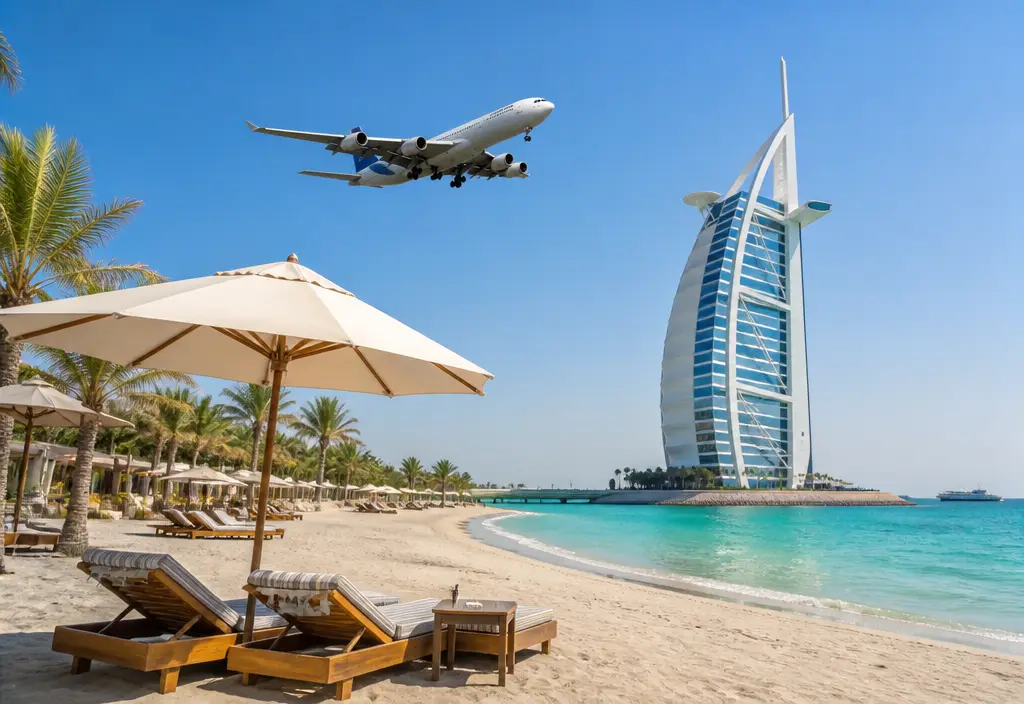
A tourist from Almaty can see the difference between high and low season right away: at peak times, tickets and hotels become several times more expensive, beaches and transport are overcrowded, and bookings must be made months in advance. During the lull, the same resorts cost less, rooms are available, and there are no queues. The choice of dates determines how much you spend and how calmly you rest.
Key points for a tourist from Almaty?
It is useful for a tourist from Almaty to understand how high season differs from low season before choosing dates. The difference concerns price, occupancy, and availability of services.
Definition of high season and its opposite
High season is the period when the most people vacation at a destination.
For a tourist from Almaty, such a peak often coincides with school holidays and public holidays, not just with the weather. Low season is the lull when the flow of vacationers drops. During these months, resorts operate more calmly, and prices are lower. Understanding this difference helps you choose dates consciously.
The impact of seasonality on budget
The price difference between peak and lull at the same destination can be up to twofold.
Tickets from Almaty during high season become more expensive months before departure. Hotels at peak raise rates and require prepayment. During low season, the same rooms cost less, and bargaining on site is appropriate. Savings add up from flights, accommodation, and excursions. A tourist from Almaty who is willing to shift dates by a couple of weeks saves noticeably.
Calendar of peak and decline at different destinations?
The calendar of peak and decline differs by country and resort. Demand is influenced by holidays, school breaks, and local events.
Holidays and school breaks in Kazakhstan in the travel calendar
The peak of departures from Almaty falls on Nauryz and summer holidays.
In March, the flow of vacationers grows sharply, and tickets are snapped up in advance. In summer, school holidays are added to this, so high season lasts a long time. In autumn and at the end of winter, demand falls, and low season begins. It is advantageous for a tourist from Almaty to plan a trip outside these windows. Available dates in the shoulder season provide more choice.
Weather and local events as demand triggers
Weather drives demand for beach and ski destinations.
Where the season depends on the sun, the peak coincides with the dry months. At ski resorts, high season lasts in winter. Local festivals and holidays also raise demand for specific weeks. A tourist from Almaty who checks dates against such events avoids crowds. Low season begins when the weather or events stop attracting the flow.
What happens to hotels and infrastructure at the height of the season
At peak times, resorts operate at their limit. Hotels, transport, and cafes are busier than usual.
Booking, prepayment, and cancellation terms
During high season, hotels require prepayment and limit booking cancellations.
Available rooms at popular resorts run out months in advance. It is better for a tourist from Almaty to book early, otherwise the choice will narrow to expensive options. Cancellation terms at peak are strict: getting a refund is harder. During low season, many hotels offer flexible terms but ask you to confirm arrival in advance. Planning dates reduces the risk of losses.
Beach and transport congestion and queues
At the height of the season, beaches are crowded, and queues for popular attractions are longer.
Transport between resorts runs overcrowded, and taxis become more expensive. Cafes and markets stay open longer, but finding a table in the evening is harder. A tourist from Almaty at peak spends more time on the road and waiting. During low season, the same places are free, and getting around takes less time. This is a noticeable difference in comfort.
How holidays change in the shoulder season
In the shoulder season, resorts operate more calmly, but some services are unavailable. Holidays become quieter and cheaper.
Closed facilities, repairs, and shortened excursions
During low season, some hotels and restaurants close for repairs.
The resort infrastructure does not operate fully, and this should be taken into account. Sightseeing programs are reduced: some routes do not gather a group. Some attractions operate on a short schedule or are closed. During the shoulder season, a tourist from Almaty should check in advance what is open. Otherwise, the trip will bring disappointment instead of rest.
Discounts, upgrades, and seasonal sales
During low season, there is a higher chance of getting a room upgrade or a discount on site.
Hotels and resorts hold seasonal sales that do not happen at peak. A tourist from Almaty without a preliminary booking sometimes gets a better room for less. Local markets and shops stay open longer at peak, but during the lull prices are softer. Festivals and events in the shoulder season also attract fewer people. Flexibility with dates during such a period pays off.
What to consider when preparing for a trip in any season
Preparation differs depending on the chosen period. Some steps are important at peak, others during the lull.
Documents, visas, and processing times
During high season, agencies are busy, and processing takes longer. It is better for a tourist from Almaty to start early, without putting it off until the last weeks. During low season, processing times are usually shorter, but delays are possible due to holidays. Exact rules and lists should be checked on the website of the official agency of the destination country. This reduces the risk of ruining the trip.
Flights, connections, and car rental
At peak, direct flights from Almaty are snapped up quickly, and the choice of dates is narrow.
In the shoulder season, connecting flights through other cities are sometimes more advantageous. A flight during high season may take longer due to busy hubs. Car rental at peak is more expensive and requires booking in advance. During low season, the choice of cars is wider, and prices are lower. A tourist from Almaty who compares options in advance finds convenient connections.
Briefly
- The difference between peak and off-season is visible in price, resort occupancy, and availability of services.
- The peak of departures from Almaty falls on Nauryz and summer school holidays.
- At the height of the season, hotels ask for prepayment and strictly limit booking cancellation.
- In the off-season, flights, accommodation, and car rental are cheaper, but some facilities are closed.
- Shifting dates by a couple of weeks saves a noticeable amount and adds comfort to the trip.


