
Oman: a traveller's guide
Oman Climate by Month
Oman's climate by month is divided into two distinct seasons, and this is important for planning a trip. From October to April, the weather in Oman is mild and comfortable for walks and sightseeing tours. In summer, the heat in Oman becomes extreme, especially in the capital and on the coast.
Cool season from October to April
During this period, Oman's climate by month delights with temperatures around +25…+30 degrees during the day. Evenings in Oman are pleasantly cool, which is ideal for dinners on open terraces. Tourists from Almaty often choose the winter months to get acquainted with the country. The sea off the coast of Oman remains warm, and the water in hotel pools warms up perfectly.
Hot summer from May to September
The summer climate of Oman by month tests travelers' endurance, as the thermometer rises above +40. The exception is Salalah, where monsoon winds bring coolness and humidity. Salalah at this time turns into a green oasis, attracting residents of the entire region. Traveling inland in summer requires special endurance and a love of heat.
Muscat and Salalah
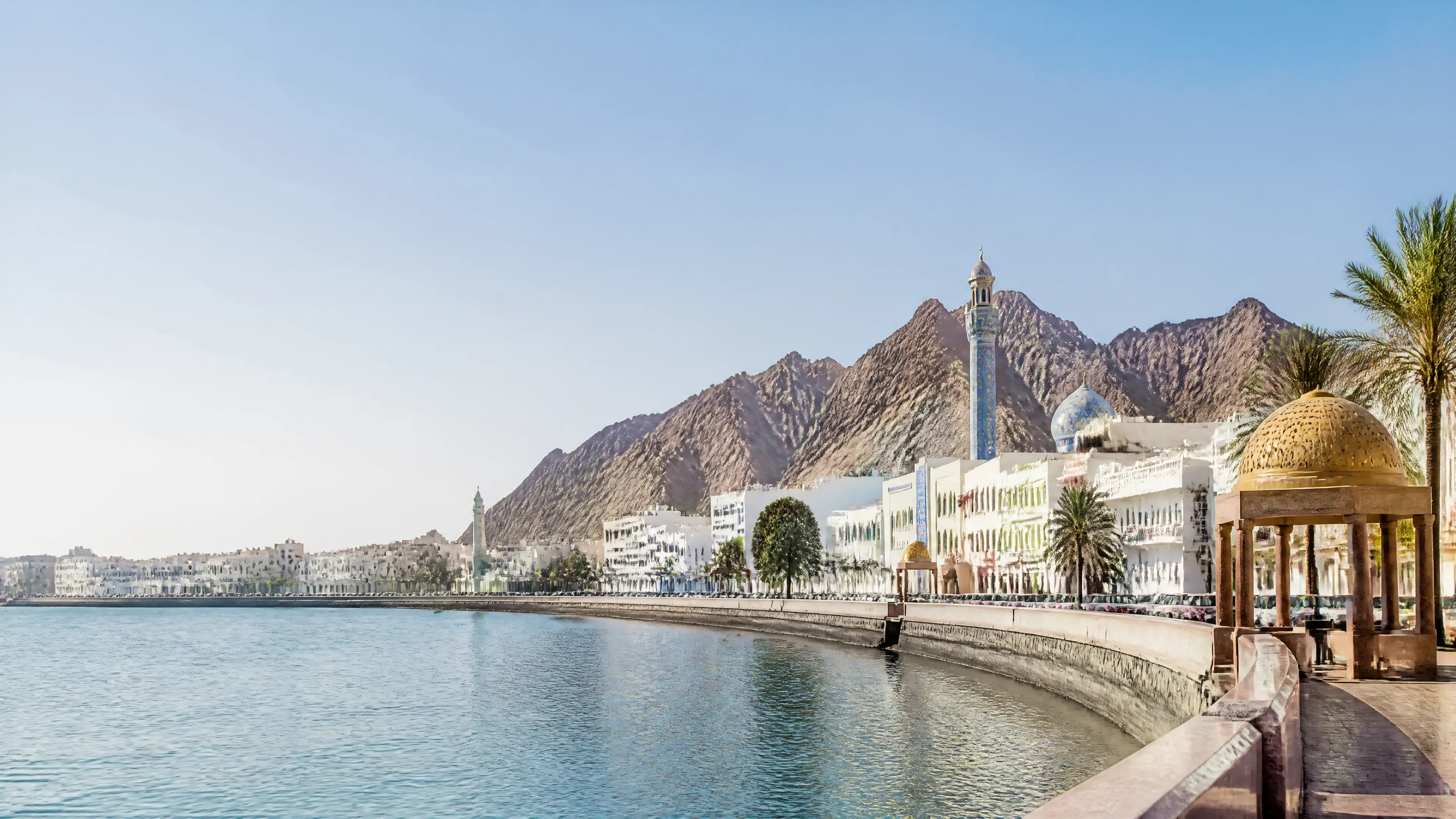
Muscat is a modern capital where snow-white mosques coexist with traditional markets. The capital of Oman surprises with cleanliness, wide embankments, and majestic architecture. Salalah, on the contrary, is famous for tropical greenery, coconut palms, and waterfalls. Omani architecture in both cities deserves special attention.
Omani cuisine and traditions
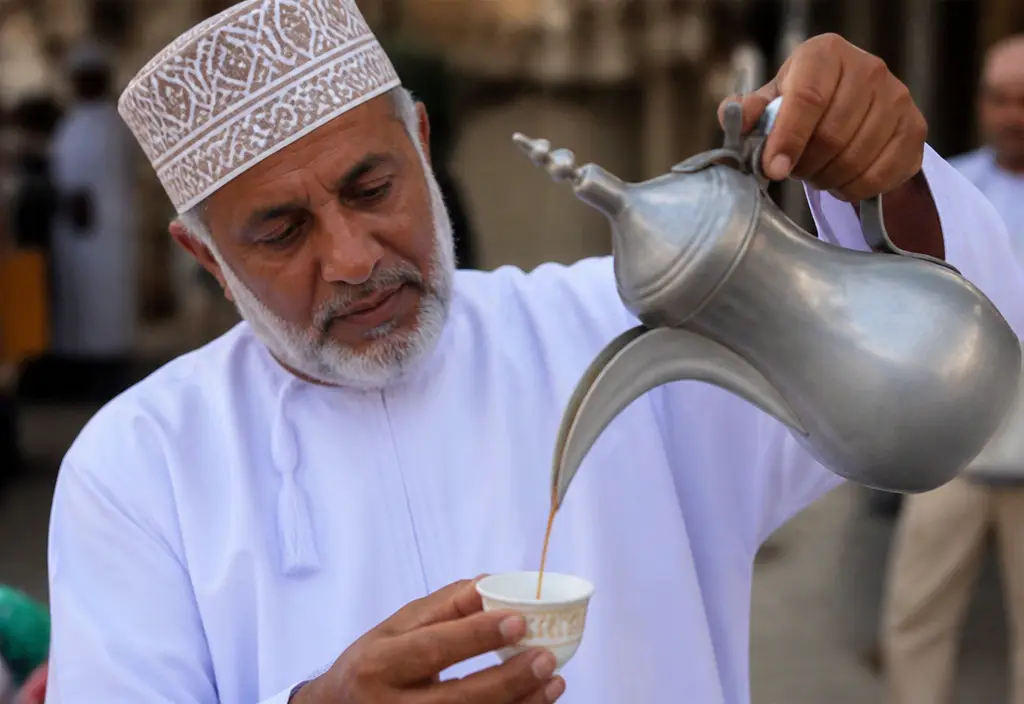
Omani cuisine is generous with aromatic spices, rice, and fresh seafood. Local coffee with dates is served to guests as a sign of respect, and this is a mandatory ritual. Omani culture carefully preserves the traditions of hospitality and trade. A traveler should try fish and lamb dishes, which are masterfully prepared here.
Planning a trip from Almaty
Direct flights from Almaty to Muscat operate regularly, which makes the trip simple. A tourist from Kazakhstan will not need complex logistics to get acquainted with Oman. It is best to book hotels in advance, especially during the high season. Oman's transport system allows easy movement between cities by taxi or rental car.
What to bring with you
- Light clothing made of natural fabrics for daytime walks
- A warm sweater or scarf for evenings in the desert
- Comfortable shoes for sightseeing
- Sunscreen and a head covering
- Modest clothing for visiting mosques
Sightseeing tours and active recreation
Travelers from Almaty often choose a safari in the Wahiba desert with an overnight stay in a Bedouin camp. Omani nature is diverse: there are both high mountains and deep wadis with cool water. Diving in Oman reveals colorful coral reefs and a rich underwater world. History lovers will appreciate ancient fortresses and abandoned villages.
When is the best time to go to Oman from Almaty?
The best time to travel to Oman is from October to April, when the weather is most comfortable. During these months, Oman's climate by month delights with the absence of exhausting heat. Tourists from Kazakhstan most often plan their holidays for the New Year holidays.
How does Oman's climate by month differ from Kazakhstan's?
Oman's climate by month is significantly warmer and drier than in Kazakhstan. In winter there is no frost here, and the temperature stays at the level of a summer day in Almaty. In summer, the heat in Oman is harder to bear due to high humidity on the coast.
How long is the flight from Almaty to Muscat?
A direct flight from Almaty to Muscat takes approximately five hours. This is a fairly short route for getting acquainted with a new country. The Omani capital welcomes tourists with a modern airport.
What to see in Muscat?
Muscat is definitely worth seeing for the Grand Mosque of Sultan Qaboos and the opera house. The capital of Oman is also famous for an ancient fort and the bustling Matrah market. Omani architecture in Muscat impresses with a combination of traditions and modernity.
Why do tourists go to Salalah?
Salalah attracts travelers with its unique monsoon climate and tropical vegetation. The Omani province of Dhofar, where Salalah is located, turns into a green paradise in summer. This region of Oman offers beach holidays and picturesque lagoons.
What clothing is suitable for Oman?
For Oman, you should choose light and closed outfits made of natural fabrics. Omani culture requires respect for local norms of decency in public places. Women are recommended to have a scarf with them for visiting religious sites.
Can you drink tap water in Oman?
Tap water in Oman is not recommended for drinking; it is better to buy bottled water. Omani tap water is purified, but its composition may differ from what you are used to. In hotels and restaurants, tourists are always offered safe drinking water.
What souvenirs are brought from Oman?
From Oman, frankincense, khanjar daggers, and silver items are traditionally brought. Omani ceramics and bright fabrics are also in demand among tourists. Local date sweets will be a tasty reminder of the trip.
Are there beach resorts in Oman?
Oman has many excellent beaches, both within Muscat and beyond. The Omani coastline stretches for thousands of kilometers along the Indian Ocean. Hotels in Muscat and Salalah offer their own equipped beaches.
Is insurance needed for a trip to Oman?
Medical insurance for a trip to Oman is strongly recommended for every tourist. Omani medicine is at a high level, but services are paid. An insurance policy will cover unexpected medical expenses during the trip.
What language is used in Oman?
The official language in Oman is Arabic, but English is widely spoken. The Omani tourism sector is fully adapted for foreign guests. In hotels, restaurants, and taxis, you can easily communicate with a tourist in English.
What currency is in Oman?
The monetary unit of Oman is the Omani rial, which is divided into 1000 baisa. The Omani currency is one of the most expensive in the world. It is more convenient to pay with a bank card, but cash rials will be useful at markets.
The season lasts until November
When planning your holiday, check Oman's climate by month: from October to March it is mildly warm here, and the peak of heat falls in June-August. For a trip from Almaty, November and March are considered the best, when the sea is warm and the sun is not aggressive. During these months, sightseeing tours of the desert and cities are easily tolerated, without exhausting heat.
Summer pause
From June to September, the air temperature consistently exceeds comfortable levels, so long walks are best avoided. During this period, only evening strolls and swimming in cool hotel pools are relevant.
Flight and connections
There is no direct flight from Almaty, so the journey will take at least two legs. Convenient connections are offered by airlines via Istanbul, Dubai or Doha, and the total travel time usually takes about nine hours. Choose a night departure from Almaty to arrive in Muscat in the morning and not lose daylight hours.
What to consider on the road
You should also take with you medical insurance covering possible treatment costs in local clinics.
Climate by region
Weather in Oman strongly depends on the location: in the Al Hajar mountains it is cooler, and on the coast it is more humid. For beach holidays, choose the Muscat or Salalah area, where Oman's climate by month is more predictable. Inland deserts are best visited on short excursions due to temperature fluctuations.
Clothing and equipment
For a trip to Oman, pack light clothing made of natural fabrics that covers shoulders and knees for visiting mosques. In the evening in the desert it can be cool, so a thin windbreaker or long-sleeved top will not hurt. Do not forget a head covering and sunglasses with a high filter.
Local customs
During Ramadan, you should not eat or drink in view of believers during daylight hours. Respect for traditions will make your stay more comfortable and the attitude of locals more friendly.


