
Hungary: a traveller's guide
Hungary's Climate by Month
Hungary lies in a temperate continental climate zone, where spring and autumn are mild, and summer can be hot. For a tourist from Almaty, the difference is noticeable: the local heat is easier to bear than in Kazakhstan. Weather in Hungary enjoys sunshine up to 200 days a year. Precipitation is distributed unevenly, but rains most often come in late spring.
Hungarian winters are rarely severe, but fogs on the Danube are frequent.
Winter Months in Hungary
December in Hungary stays around zero, and snow does not last long. January is considered the coldest month, when the thermometer drops to minus five. February brings thaws, and the air warms up to plus five. For walks around Budapest, it is worth taking waterproof shoes and a warm coat. In the evening, the wind from the Danube is felt especially strongly.
At this time there are few tourists, and hotel prices in Hungary are lower than in summer.
Spring Season in Hungary
March in Hungary is changeable: a slight frost is possible in the morning, while it is already warm in the afternoon. April delights with blooming gardens and temperatures up to plus fifteen. May becomes an ideal time for sightseeing Budapest's architecture. Rains in May are short but warm, so an umbrella will come in handy. In spring, the Hungarian capital fills with the scent of lilacs and fresh greenery.
A tourist from Almaty should wear layers for the changeable weather.
Summer Months in Hungary
June in Hungary warms up to plus twenty-five, while nights remain cool. July and August are the peak of heat, when temperatures exceed thirty degrees. This is a good time to go to Lake Balaton, where the water is warm. Locals escape the heat in parks and by fountains. In the evening the heat subsides, and the city lives a nightlife. For the trip, light clothing and a sun hat are needed.
Autumn and the Indian Summer Season
September in Hungary offers gentle warmth without exhausting heat. October delights with golden leaves and temperatures around plus fifteen. November becomes damp and overcast, but is still suitable for sightseeing tours. In autumn, tourists prefer thermal resorts, where the water warms. In Budapest, it is pleasant to walk along the embankments at this time of year.
Hungarian autumn is considered the best season for wine tours.
Thermal Resorts of Hungary
Hungary is famous for its healing waters, and the baths operate year-round. For a resident of Almaty, such a holiday will be unusual but beneficial. The Hungarian bathing tradition goes back more than one century. Budapest is called the city of thermal springs for their abundance. Hévíz and Hajdúszoboszló offer different types of treatment. Each resort in Hungary has its own water composition.
Lake Hévíz and Its Features
Hévíz is the largest thermal lake in Europe; its water is warm even in winter. The temperature reaches plus thirty-six degrees year-round. The healing water helps with diseases of the joints and spine. Hévíz is surrounded by a protected forest where the air is curative. In the evening, the bathhouse is illuminated, creating a fairytale atmosphere.
Resort of Hajdúszoboszló
Hajdúszoboszló is known for its thermal baths in the open air. The resort in Hungary offers water with a high content of iodine and bromine. The local pools suit both children and adults. There is an aqua park and medical departments here. Hajdúszoboszló is quieter and calmer than the capital Budapest. A holiday at the resort is combined with walks through the salt fields.
Checklist for a Trip to Hungary
- Comfortable shoes for Budapest's pavements
- Light raincoat for summer downpours
- Swimsuit for thermal baths
- Adapter for European sockets
- Paper copy of insurance
- Card slots and some cash
What to Try in Hungary
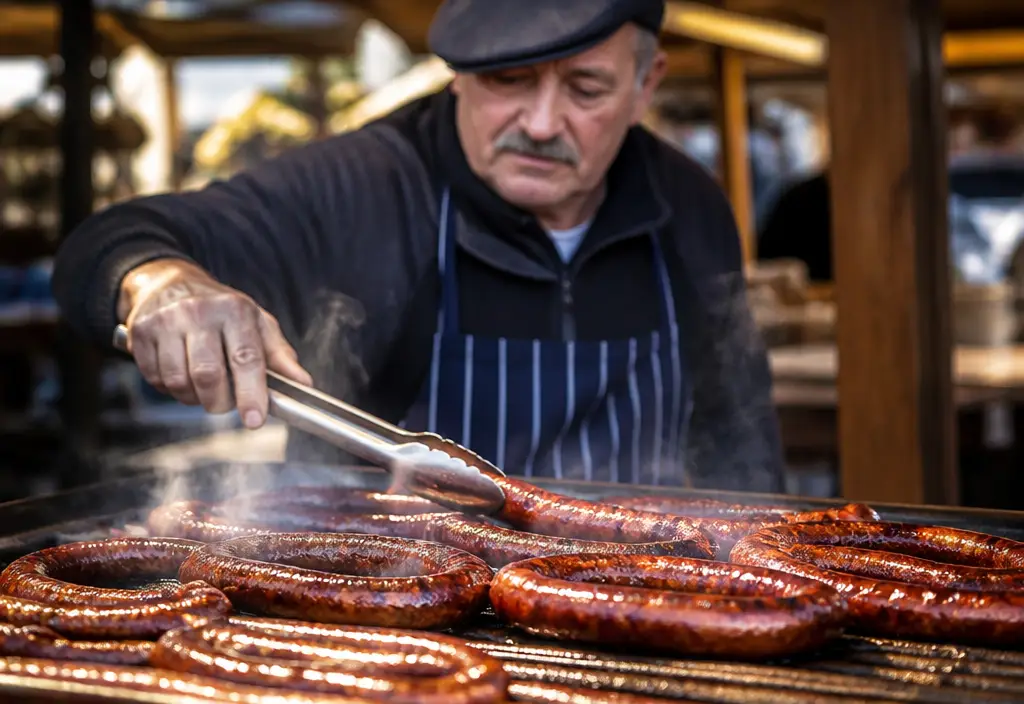
Hungarian cuisine is famous for spicy dishes and hearty soups. Goulash is served in every restaurant in the country, and it differs from the Kazakh one. Chicken paprikash is cooked with a sour cream sauce. For desserts, you should order a roll with poppy seeds and nuts. The local wine Tokaji is sweet and aromatic. Coffee in Budapest is brewed strong and served with water.
Souvenirs from Hungary
Hungarian porcelain from the town of Herend is recognized worldwide. Provence lace and embroidery are sold at Budapest markets. Pálinka is a fruit brandy with a strength of up to fifty degrees. Hungarian paprika in pouches will make a bright gift. Thermal cosmetics based on healing water are good for the skin. Magnets with views of the Danube can be found in any shop.
When is the best time to go to Hungary?
The best time is considered May and September, when there is no heat. In these months, it is comfortable to walk and receive treatment in Hungary. Summer suits Lake Balaton, and winter suits the baths.
How long is the flight from Almaty?
There is no direct flight; the journey with a transfer takes from eight hours. Convenient connections are made in Istanbul or Dubai. Travel time depends on the waiting duration.
What is the water like in thermal springs?
The temperature varies from plus twenty-five to thirty-six degrees. The water composition differs at each resort. Hévíz is rich in sulfur, and Hajdúszoboszló in iodine.
Is insurance needed for the trip?
It covers the costs of treatment and emergency assistance. The price depends on the length of stay.
What to take for the baths?
You will need a swimsuit, towel, and shower slippers. Some bathhouses provide sheets for rent. A swimming cap is not mandatory.
What is the weather like in summer?
July and August in Hungary are hot, up to plus thirty-five. Evenings are warm, but thunderstorms are possible. The water in Balaton warms up to a comfortable temperature.
Where to stay in Budapest?
Tourists choose areas by the Danube or near the baths. The city center is convenient for walking. On the outskirts, accommodation prices are lower.
Are there beaches in Hungary?
Sandy beaches are found on Lake Balaton. In Budapest, there are bathhouses with open-air pools. The swimming season lasts from June to September.
What to see in three days?
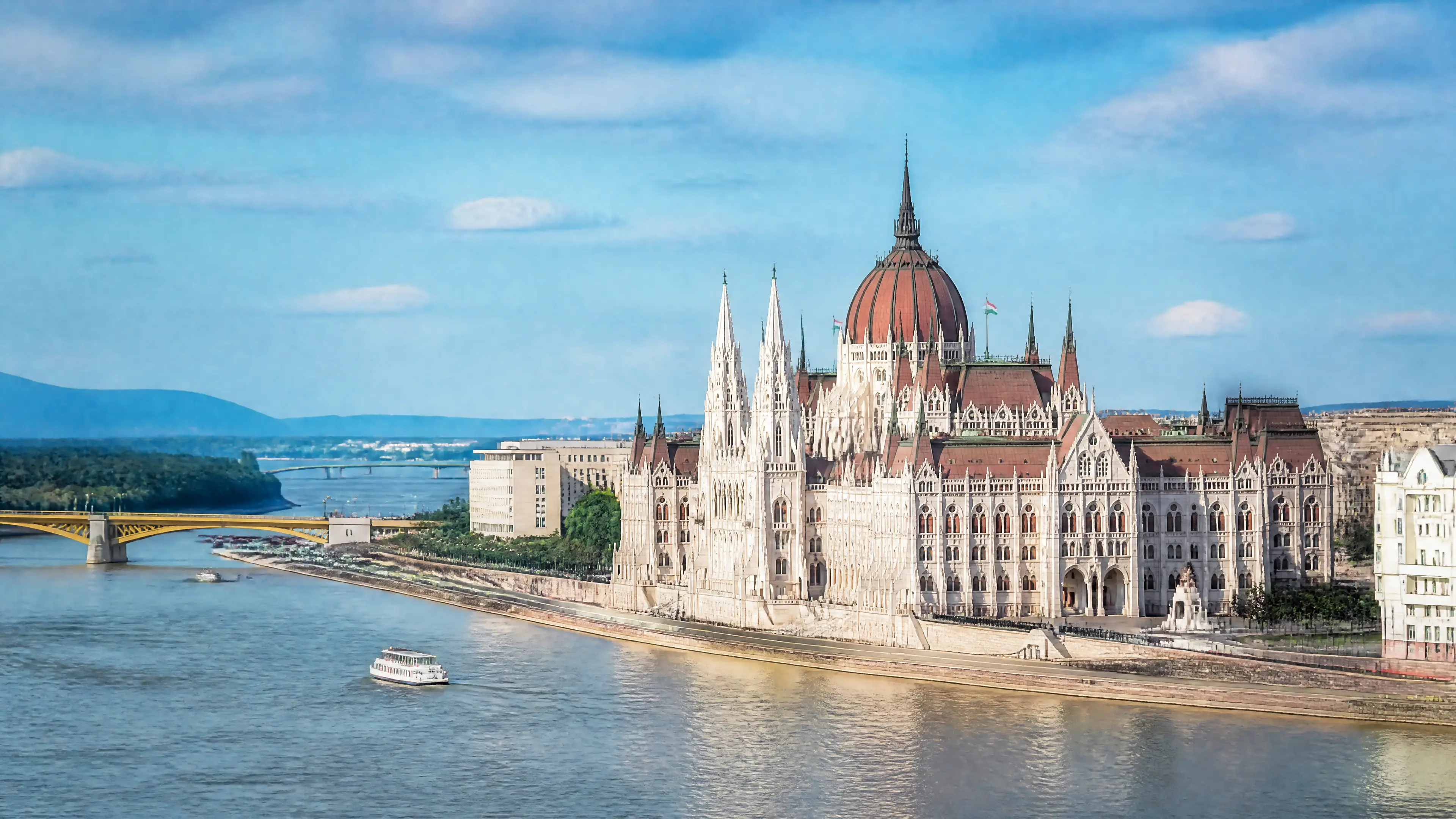
You should definitely climb to Fisherman's Bastion. Then walk along Andrássy Avenue and visit the parliament. In the evening, it is nice to cross the Széchenyi Bridge.
What is the voltage in sockets?
Hungary uses a voltage of 230 volts. Sockets are of the European type with two round pins. An adapter for Kazakh appliances will be needed.
Can you drink tap water?
The water in Budapest is clean and safe to drink. At the resorts, water quality is also good. There is no need to boil it.
What language is understood in hotels?
In tourist areas, people speak English and German. Staff at hotels in Hungary communicate in English. In the provinces, language knowledge is limited.
When to Go to Hungary
Hungary delights tourists with a mild climate, but the seasons here differ noticeably. The best time to travel is from May to September, when it is warm and sunny.
Hungary's climate by month dictates the choice of clothing and routes. In spring and autumn it is comfortable to walk around Budapest, and in summer it is pleasant to relax on Lake Balaton.
Winter Months in Hungary
December, January, and February are the time for Christmas markets and thermal resorts. Frosts are rare here, but the dampness is felt, so bring warm clothing.
In January the temperature stays around zero, and snow falls infrequently. For a tourist from Almaty, such a winter will seem mild, but the wind by the Danube can be piercing.
Spring Weather and Awakening
March in Hungary is changeable: sunshine gives way to rain, and the air warms up only toward the end of the month. April already delights with blooming gardens and temperatures up to plus fifteen.
May is the ideal month for sightseeing, when Hungary's climate by month becomes truly summery. This is the time to plan trips to Eger and the Danube Bend.
Summer Heat and Balaton
June, July, and August are the peak of the tourist season with heat up to thirty degrees. During this time, Balaton is especially popular, where the water warms up for swimming.
Autumn Indian Summer Season
September retains summer warmth, while October brings golden foliage and soft sunshine. This is the time for wine tours in Tokaj and quiet walks through cities.
November is already rainy, but it is pleasant to spend time in the thermal baths of Budapest. In autumn, accommodation prices are lower than in summer, and attractions are less crowded.
What to Bring
- Comfortable shoes for cobblestone streets
- A light raincoat or umbrella for any season
- An adapter for European sockets
- A small backpack for daytime outings
Flight from Almaty
There is no direct flight to Budapest from Almaty, so be prepared for a connection in Istanbul or Dubai. The total journey will take about eight to ten hours, and it is better to buy tickets in advance.
The time difference with Almaty is 4 hours in winter and 3 hours in summer: Hungary changes its clocks (UTC+1 in winter, UTC+2 in summer), while Kazakhstan stays on UTC+5 all year round. Acclimatization passes easily, but on the first day it is better not to plan a packed itinerary.
Preparing for the Trip in Advance
A route through Hungary is convenient to build around Budapest, making day trips to Eger or Székesfehérvár. For swimming, choose Balaton, and for wine tours, Tokaj.
Take out insurance for the entire duration of your stay, and book hotels a month before departure. In season, good options in the center of Budapest are snapped up quickly.


