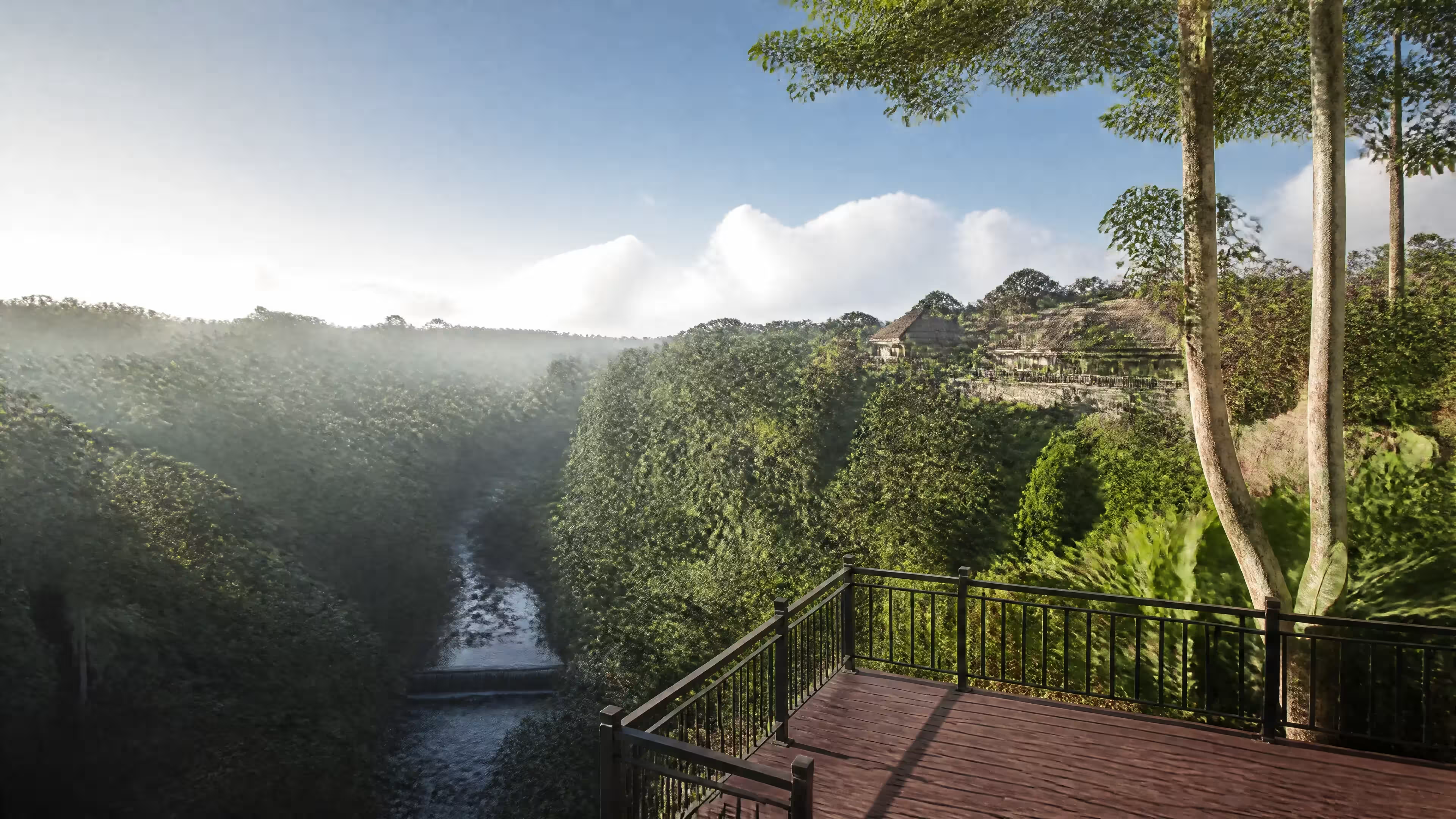
A holiday in Ubud is the mild climate of the hills at an altitude of 200–500 metres, rice terraces and cool nights. The most comfortable time to go is from April to October, in the dry season. The journey from Almaty takes from 15 to 25 hours with connections, and the transfer from Denpasar airport is another 1.5–2 hours. Accommodation should be booked in advance if your dates fall in July–August.
The road to Ubud: visa, flight and the first day
A trip to Ubud begins long before boarding the plane, and the first day sets the tone for the whole journey. Let's break down the road from Almaty and what should be prepared in advance.
What to prepare before departure from Almaty
Organising a trip to Indonesia from Almaty begins several weeks before departure. The journey takes almost a day, so documents and tickets are prepared at home, not at the airport. Copies of your accommodation booking should be kept both on your phone and on paper. Tours to Indonesia from Almaty are more convenient to take with a ready-made transfer: being met at Denpasar airport saves energy. The time difference with Almaty is 3 hours all year round: Indonesia is on UTC+8, Kazakhstan on UTC+5. It is better to spend the first day in Ubud without excursions in order to acclimatise.
How to get to Denpasar and Ubud
There are no direct flights from Almaty to Bali; usually people fly with one or two connections. The journey from Almaty to Ubud takes from 15 to 25 hours including transfers and the transfer. Connections are made via Kuala Lumpur, Singapore, Bangkok or Dubai. The transfer from Denpasar airport takes about 1.5–2 hours by car. Hotels in Ubud often offer a meeting, but this is arranged before departure. Night arrivals are harder to handle, so choose daytime connections. Water, light food and a change of clothes will come in handy on the way.
When is the best time to go to Ubud?
The climate here is milder than in the south of Bali: the hills at an altitude of 200–500 metres give cool nights. The choice of month noticeably changes both the weather and the prices for a holiday.
How the dry season and the rainy season differ
The most comfortable time in Ubud is from April to October, in the dry season. From November to March it rains, more often in the second half of the day, and the humidity is noticeably higher. Even in summer there are short downpours in Ubud, so a raincoat will come in handy in any month. At night it is cool in the hills, so it is worth taking a jumper. For trekking and walks through the rice terraces, morning and early evening are better suited. When is the best time to go to Ubud depends on what you value: stable weather or fewer tourists. In the shoulder season nature is no less generous, but there are noticeably fewer people on the trails.
High season, holidays and hotel occupancy
The peak of tourists falls in July–August and the New Year holidays. In these months hotels in Ubud become more expensive, and popular places are overcrowded. The shoulder season in April–June and September–October gives a balance of weather and available rooms. In the low season prices for tours to Ubud are noticeably lower, but some days may be ruined by rain. It is precisely for the high dates that accommodation should be booked in advance. In the quiet months the choice is wider, and haggling is more appropriate. Plan your trip so that the peak weeks do not coincide with your holiday.
How much a holiday costs: trip budget and expenses on the spot
The cost of a trip consists of the flight, accommodation and daily expenses. In Ubud it is easy to fit into a modest budget or spend more on comfort.
What makes up the prices for tours and accommodation
In the high season accommodation becomes noticeably more expensive; in the shoulder season the difference is tangible. Guesthouses in Ubud are cheaper than villas with a pool, but the level of service also differs. Food in local cafes costs less than in hotel restaurants. Excursions and scooter rental add a separate line to the budget. It is more convenient to plan expenses with a reserve for the unforeseen. The flight from Almaty accounts for the main share of expenses, so tickets are bought in advance.
Money, currency exchange and daily expenses
In Indonesia they use the Indonesian rupiah; the exchange rate to the tenge is unstable. It is more profitable to change currency in licensed exchange offices, not at the hotel. There are ATMs in Ubud, but in remote areas cash is needed more often than a card. Small notes will come in handy for markets, cafes and tips. Tips are not obligatory, but are accepted in restaurants and for the services of guides, usually 5–10% of the amount. Keep part of the money separately from the main sum. Indonesian cuisine in local warung costs several times less than European.
How to prepare for the trip: health, communications and safety
Preparing for a holiday in Ubud takes no less time than choosing accommodation. Health, communications and basic precautions should be thought through before departure.
Insurance, vaccinations and medical care
Medical insurance with coverage for activities is essential, since medicine in Bali is paid and expensive. The policy must include trekking, scooter and rafting, otherwise the expenses will fall on you. A standard set of vaccinations is recommended: hepatitis A and typhoid fever; check the exact list with a doctor. The risk of malaria in Ubud is low, but a consultation with a specialist would not hurt. Take a first-aid kit with basic medicines with you. Large clinics are in Denpasar and in the south of the island; in Ubud the choice is more modest. Save the insurance company's number on your phone and on paper.
SIM cards, internet and the language barrier
Local SIM cards from Telkomsel and XL are sold at the airport and in Ubud; a passport is needed for registration. The internet in cafes and hotels in Ubud is usually stable, but the speed in the hills can be lower. English is understood in tourist places; basic phrases in Indonesian are welcomed. Download offline maps in advance: in narrow alleys the connection drops. A translator is convenient to use in markets and in local cafes. The language barrier rarely gets in the way of a holiday if you speak simply and slowly. Indonesians are friendly and readily help with directions.
Visa and entry rules change: check the primary source — the Directorate General of Immigration of the Republic of Indonesia, https://www.imigrasi.go.id/. The information on this page was verified on 10.09.2026.
How to prepare for a holiday with children and active holidays?
Ubud is suitable both for families and for those who come for activities. The only difference is in preparation and pace.
Features of travelling with children of different ages
A trip to Ubud with children is more convenient in the dry season, when there is less mud on the roads. For little ones, calm walks through the rice terraces and gardens are suitable. Older children are interested in waterfalls, zoos and workshops. The roads in the hills are winding, so motion sickness should be anticipated in advance. The sun here is strong, sunscreen and a panama hat are needed every day. Food in Ubud hotels is usually adapted for children, but it is better to check for familiar food. Plan the day with breaks for rest.
Scooters, trekking and what to take with you
Scooter rental is popular, but an international category A licence and a helmet are required, and the roads in Ubud are narrow and winding. For trekking to waterfalls and volcanoes, comfortable footwear with good grip is needed. Take light clothing, a raincoat, insect repellent and sunscreen. In the evening it is cool in the hills, so a jumper is not superfluous. Take drinking water with you on long walks. Book tours in Ubud with activities in advance, especially in high season. Insurance must cover the chosen sports.
In brief
- Ubud is the hills of Bali with a mild climate, rice terraces and cool nights.
- The best months for a trip are April–October, the dry season with comfortable weather.
- In July–August hotels become more expensive, while in the shoulder season it is cheaper and less crowded.
- The journey from Almaty takes from 15 to 25 hours with connections and a transfer.
- Insurance covering trekking and a scooter is mandatory for active holidays.