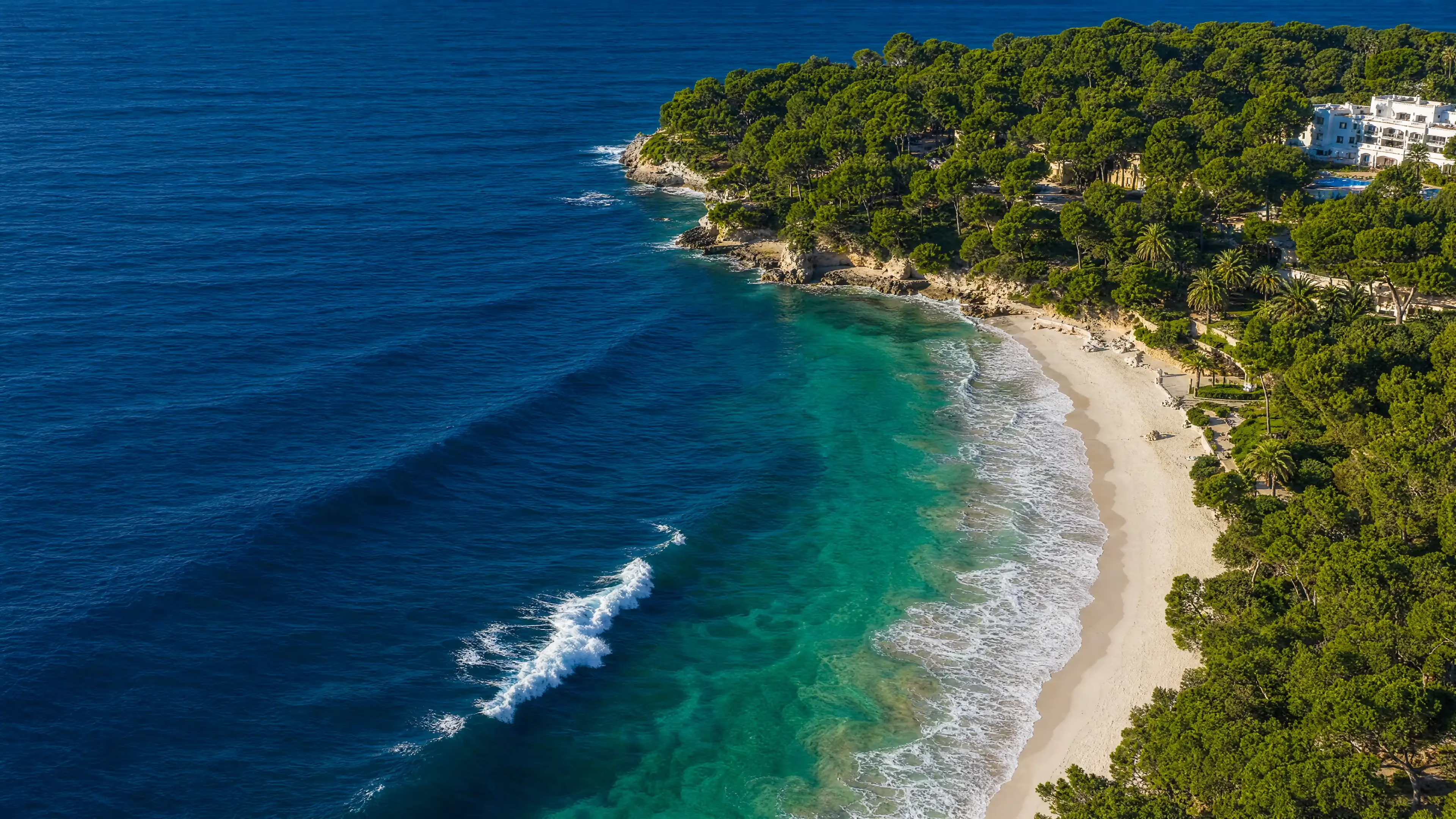
A holiday in Phuket is a year-round destination with pronounced seasons: the dry season lasts from November to April, the rainy season from May to October. There are no direct flights from Almaty; the journey takes from 10 to 16 hours with one connection. The island is suitable for both beach holidays and sightseeing, and the trip budget depends on the season and the area of accommodation.
Flight from Almaty and preparation for the trip
The journey to the island takes almost a day, so the route and documents should be thought through in advance. Let's look at how to fly from Almaty and what to prepare for the holiday.
Direct flights and convenient connections
There are no direct flights from Almaty to Phuket; the journey always involves one connection. It is most convenient to depart in the evening: a night transfer in Bangkok, Kuala Lumpur, Dubai or Istanbul does not eat up a day of the holiday. The total travel time is from 10 to 16 hours, and it depends on the length of the connection. Short connections save hours but leave little margin if the first segment is delayed. For tours to Phuket, tour operators usually arrange convenient night connections, while independent travellers build the route themselves. Check whether the flight arrives at the same airport from which the next one departs. If the connection is long, a hotel at the airport relieves fatigue better than a seat in the waiting lounge.
Packing for the journey and the first days on the island
Pack with heat and humidity in mind: light clothing made of natural fabrics will be useful in Phuket every day. Put a spare T-shirt, swimsuit and basic medicines in your hand luggage — the suitcase may arrive later. A hat, sunglasses and high-SPF cream are needed from the first day; the sun here is active even when cloudy. For a temple and holy places, items covering shoulders and knees will be useful. Mosquito repellent is worth taking with you: in the evening near the water insects are active. A socket adapter will be useful, although most hotels in Thailand have universal ones. It is better to spend the first day by the pool and not plan long trips.
Seasons and weather: when is the best time to plan a trip?
The weather on the island divides the year into two major periods, and both the budget and the impressions depend on the choice. Below is what to expect in each of the seasons.
High season from November to April
High season in Phuket lasts from November to April: dry, sunny, the sea is calm. This is the best time for beach holidays and sea trips, but prices for hotels and tours to Phuket during this period are at their maximum. December and January are the peak; accommodation should be booked several months in advance. February and March offer the same sun, but there are slightly fewer people. The water in the Andaman Sea is transparent, and visibility for snorkelling is excellent. Even in high season there are short rains, but they do not interfere with plans. If you are travelling with the whole family, choose late November or early April: the weather is milder and the crowds are smaller.
Low season and shoulder season: rains and savings
Low season in Phuket runs from May to October, and this is the time of rains. The downpours are short, often at night, but prices are noticeably lower and there are fewer tourists. The rainy season does not cancel swimming: on the western beaches at this time there are strong waves and red flags — swimming is prohibited. The shoulder season — May and October — is a compromise: the weather is still or already acceptable, and the cost of accommodation drops. In the rainy months, it is worth choosing hotels with a pool and planning sightseeing tours around the island, not just the beach. Thai cuisine, spa and markets operate all year round, so you will not be bored. Savings on such a holiday reach noticeable amounts at the same hotel level.
Visa and entry rules change: check with the primary source — the Ministry of Foreign Affairs of the Kingdom of Thailand, https://www.mfa.go.th/en/page/types-of-visa. The information on this page was verified on 10.09.2026.
Resorts and areas of the island for different holidays
The island is large, and the areas differ greatly from each other in rhythm and prices. The choice of place determines what the holiday will be like.
Patong, Kata, Karon: beaches and nightlife
Patong is the noisiest area of the island with nightlife, bars and markets. The beach here is wide but crowded, and accommodation is more expensive due to demand. Kata and Karon are quieter: the sand is soft, the entry into the water is gradual, with cafes and shops nearby. Karon stretches in a long strip, and even in high season you can find a quiet spot. Kata is divided into two parts, and in the southern one the waves are weaker — families with children go there. The beaches of Patong, Kata and Karon are connected by a road along which it is convenient to get around by bike. In the evening Patong is noisy until morning, so families more often stay in Kata. Thai cuisine in these areas is represented by both street stalls and restaurants.
Bang Tao and Nai Thon: quiet areas for families
Bang Tao is a quiet area in the north-west with a long empty beach and golf courses. Nai Thon on the western coast is known for calm water and local markets. There are fewer bars and more greenery here, and accommodation prices are lower than in Patong. The infrastructure is more modest: you need to drive to large shops. But a holiday in Phuket in these areas suits families with children and those looking for peace. In the morning there is almost no one on the beach, and in the evening you can walk along the sea. For travelling around the island, it is more convenient to rent a car or a bike. In Nai Thon it is worth visiting at sunset: the view of the sea from here is one of the best.
What to try and how to get around the island
Food and transport are the two things that most strongly affect the impressions of a trip. Let's look at both.
Thai cuisine: from street food to restaurants
Thai cuisine in Phuket is spicy: tom yam, pad thai, som tam are classics worth trying. Street food is several times cheaper than restaurant food, but you should choose spots with high foot traffic and cooking in front of you. For those who can't handle spicy food, there are European restaurants and food courts in shopping malls. Portions at markets are small, so in one evening it's easy to try several dishes. Seafood in Phuket is fresh and inexpensive, especially in coastal cafes. Ask for "not spicy" if you're not sure about your tolerance: the spiciness here is higher than usual. It's better to drink bottled water, and ice in tourist areas is safe. Thai cuisine is just as memorable as the beaches, so don't be afraid to try new things.
Motorbike rental, Grab and tuk-tuks
The main transport on the island is motorbike rental, Grab and Bolt taxis, as well as local tuk-tuks. For a motorbike you need a category A license and an international driving permit. Without them, problems during checks are possible, and insurance may not cover the damage. Grab is convenient and transparent in price, the car arrives within a few minutes. Tuk-tuks are more expensive and you need to negotiate in advance, before getting in. There is almost no public transport on the island, so without a motorbike or car, movement is limited. Renting a car is convenient for families, but traffic here is left-hand. In the rain the roads are slippery, and it's better to slow down. Parking near the beaches is usually free.
How much does the budget, insurance and excursions cost?
Finances and entertainment are what people plan last, and for no good reason. Below is how to calculate the budget and what to see.
Money, cards and currency exchange
The exchange rate of the Thai baht to the tenge is unstable; it's more profitable to exchange money at Phuket exchange offices, not at the airport. Chains like SuperRich and Value Plus give a better rate than banks. Cards from Kazakhstani banks are not accepted everywhere: in hotels and large stores — yes, in cafes, at markets and in tuk-tuks — cash. Keep a supply of baht on you for small expenses. Large banknotes are exchanged at a better rate than small ones. ATMs charge a commission for withdrawal, so it's better to withdraw large amounts. Part of the money should be kept in the hotel safe, not carried with you. Such a holiday in Phuket becomes predictable in terms of spending.
Medical insurance and acclimatization
Medical insurance is mandatory: without it, treatment in Phuket clinics will be expensive. Coverage must include hospitalization and repatriation, not just emergency care. Acclimatization takes the first 2–3 days: high humidity and heat require a drinking regimen and sun protection with SPF 50+. In the first days, you shouldn't plan long excursions. The sun here is active even in cloudy weather, so cream is needed constantly. If you have health problems, choose clinics in Phuket Town or Patong. Pharmacies work late, basic medicines are available. If you take medications regularly, bring a supply for the entire trip.
Phi Phi Islands, Phang Nga and shows
Excursions in Phuket are a separate layer of the holiday, and many come here for them. The Phi Phi Islands, James Bond Bay in Phang Nga, snorkeling at Racha, a sightseeing tour of Phuket Town and the Fantasea show are the most popular routes. It's better to go to Phi Phi in high season, when the sea is calm. Phang Nga impresses with cliffs and caves, but the journey takes almost the whole day. Racha is suitable for snorkeling: the water is clear, the reefs are close to shore. The Fantasea show is an evening entertainment with dinner and dances. It's worth booking trips through the hotel or trusted agencies. In low season, some sea excursions are canceled due to waves. Phuket Thailand is remembered precisely for such days.
Briefly
- A holiday on the island is possible year-round, but the dry season from November to April is more comfortable for beaches.
- The flight from Almaty takes from 10 to 16 hours and always includes one connection.
- Patong is chosen for nightlife, Kata and Karon — for calm beaches for families.
- It's more profitable to exchange currency at the island's exchange offices, not at the arrival airport.
- Sea excursions to Phi Phi and Phang Nga are best booked in the dry season.