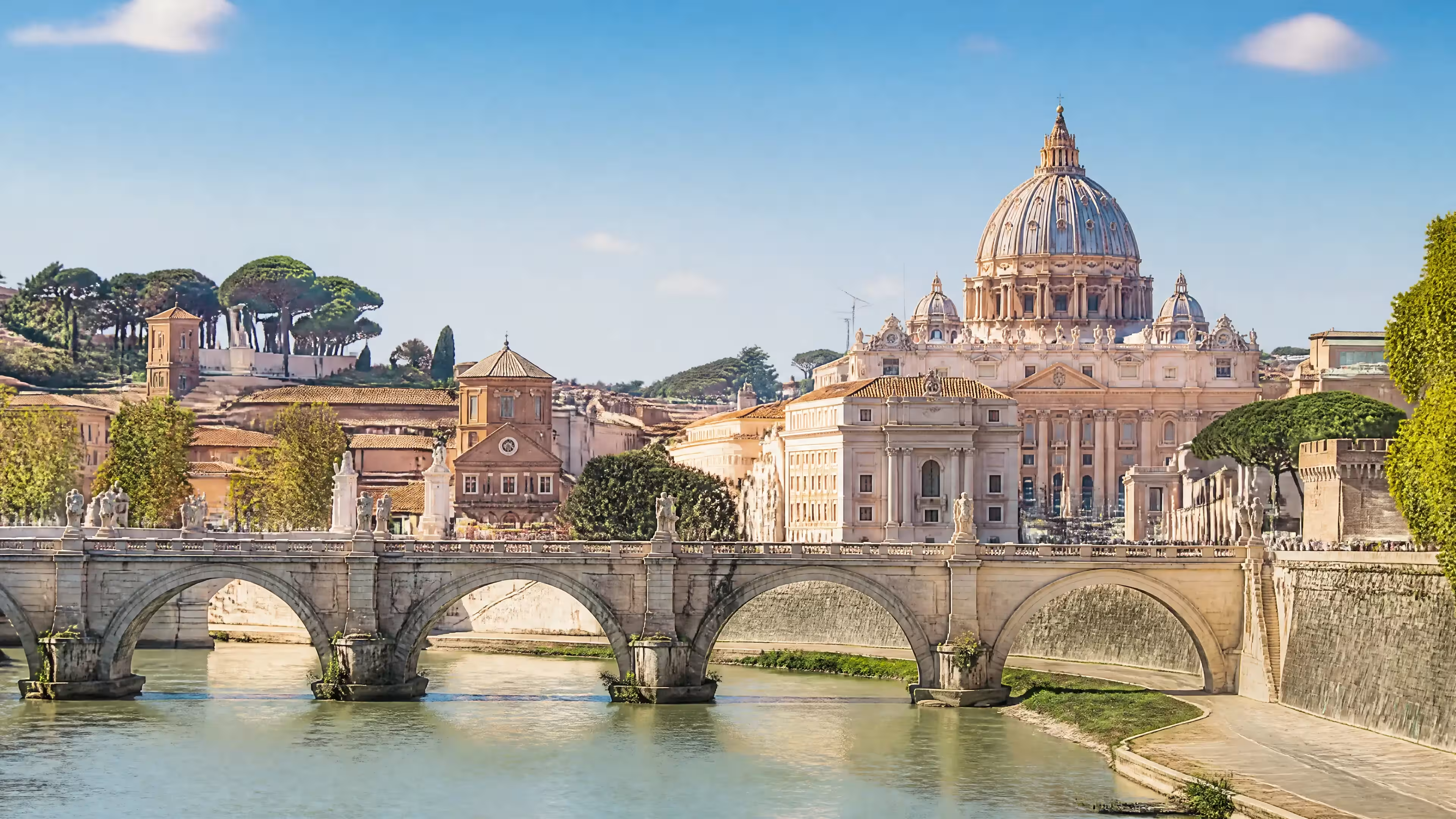
Holidays in Rome are a year-round destination with distinct seasons: the most comfortable time to walk is from April to June and from September to October, when it is warm but there is no exhausting heat. In winter, the temperature rarely drops below zero, but the queues are shorter and the prices are lower. In summer, especially in August, the Italian capital is hot and stuffy, and some shops close for holidays.
Visa, flight and the first days in the Italian capital: what do you need to know?
The trip begins long before departure, and the first days in Rome are spent acclimatising. Let us look at how to prepare for a holiday and what to expect from the journey.
Schengen for citizens of Kazakhstan: submission in Almaty and processing times
Residents of Almaty apply for a category C Schengen visa through a visa centre, and processing times should be checked before buying a tour. The document package includes medical insurance with coverage of at least 30 thousand euros. Appointment slots in high season are taken up quickly, so it is better to book in advance. Tours to Italy from Almaty are more conveniently booked when the visa is already in hand or at least has been submitted. Check the exact requirements and current processing times on the visa centre website before travelling. This way, holidays in Rome begin without unnecessary haste.
The journey from Almaty: connections, travel time and acclimatisation
There are no direct flights from Almaty to Rome, so tours to Rome usually include a flight with one or two connections. Convenient transfer hubs are Istanbul, Dubai and Doha, and the total travel time is rarely less than nine hours. The time difference with Almaty is 4 hours in winter and 3 hours in summer: Italy changes its clocks (UTC+1 in winter, UTC+2 in summer), while Kazakhstan stays on UTC+5 all year round. In the first days the body adjusts, so it is better not to schedule heavy excursions for the morning after arrival. Plan your arrival with a margin and leave the first evening free. This way, holidays in Rome will pass without feeling shattered and tired.
Seasons and weather: what to expect from the city at different times?
The climate of the Italian capital is Mediterranean, and the difference between months is noticeable. The choice of travel date to Italy determines both the comfort of walks and the occupancy of hotels.
Heat, stuffiness and August holidays
In summer, Rome is hot and stuffy, and August is considered the hardest month for walking. The temperature often stays above thirty degrees, the asphalt gets scorching, and there is little shade in the centre. Some family-run shops, trattorias and workshops close for holidays, so familiar places may be shut. If a trip with children falls in July or August, walk in the morning and evening, and spend the day in air-conditioned museums. The water from the street drinking fountains, the nasoni, is suitable for drinking, so you do not need to buy a bottle. Plan your route so that there are breaks in the cool between stops. This way, even a hot trip remains comfortable.
Shoulder season and winter: the advantages of low season
From April to June and from September to October, Rome has mild weather, convenient for long walks over the cobblestones. In winter, the temperature rarely drops below zero, but dampness and wind make the air feel colder than it is. However, in low season the queues are shorter, and prices for tours to Rome are noticeably lower than in summer. Hotels in Rome in the shoulder season offer more available rooms near the historic core. Rain in autumn and winter is short but sudden, so an umbrella will be useful in any month. A warm jacket and broken-in shoes will make walks pleasant even in December. This option will suit those who do not like crowds and stuffiness.
How to get around the city and where to stay
Transport and accommodation are the two expense items that most strongly affect the impression. The Italian capital is compact in the centre, but large on the outskirts.
Metro, buses and trams: a 100-minute ticket
A single ticket for city transport is valid for 100 minutes from the moment of validation and covers the metro, buses and trams. During this time you can make several transfers, which is convenient when exploring remote districts. The ticket must be validated at the entrance, otherwise it is considered invalid. Rome has only three metro lines, but the bus network is dense and reaches all key places. At peak hours the carriages get packed, so it is better to travel with suitcases outside the morning rush. In the historic centre it is more convenient to walk: the streets are paved with cobblestones, and you need broken-in shoes. This way, the trip does not depend on schedules and traffic jams.
From Fiumicino to the centre: the train and shuttles
Fiumicino Airport is connected to the centre by the Leonardo Express train and shuttle buses. The train goes to Termini station without stops and is considered the most predictable option. Shuttles are cheaper but get stuck in general traffic on the way into the city. Taxis and transfers are convenient if you arrive at night or with children. Train tickets are bought from machines or online; queues at the ticket office can be long. Termini station is a major hub from which it is easy to reach any district by metro. This way, the journey to hotels in Rome takes less than an hour.
Choosing an area and the tourist tax
The tourist tax in Rome is charged for accommodation and depends on the category of the hotel; it is paid on site. Accommodation in the centre should be booked in advance: in high season there are almost no available rooms near the historic core. For a quiet holiday, the areas around the Pantheon and Navona are suitable; for a budget one, the quarters near Termini station. Families with children more often choose the quiet streets of Trastevere or Prati, where there is less noise at night. Prices for tours to Rome depend on the season and how far the hotel is from the centre. Check whether the tax is included in the booking price so as not to pay twice. This way, the trip begins with the right address.
What to consider when preparing for the trip
Small details decide whether the trip will be calm or hectic. Let us gather what people most often forget before departure.
Museum bookings, dress code in basilicas and queues
Many museums and galleries require advance online booking, and entry without a reservation turns into a multi-hour queue. In cathedrals and basilicas there is a dress code: covered shoulders and knees, and this applies to both men and women. A light scarf or cover-up in a backpack solves the problem at the entrance. In high season, tickets to popular venues sell out weeks in advance, so book ahead. Morning slots are usually freer, and by noon groups gather at the entrance. Sightseeing tours with a Russian-speaking guide are also better booked in advance, especially at peak season. That way the trip goes without standing in queues.
Money, cards and tips: cash just in case
The currency in Italy is the euro, and cards from Kazakh banks do not work everywhere abroad. It is worth taking some cash with you: small trattorias, markets and taxi drivers do not always accept plastic. Tips in Rome are not mandatory, but for service they sometimes include coperto in the bill — a charge for cutlery and bread. Lunch in Roman trattorias starts later than people are used to in Kazakhstan: the kitchen often opens only around 12:30–13:00. ATMs in the center are common, but check the withdrawal fee before the transaction. Keep small change handy for transport tickets and a cup of coffee at the counter. That way the trip is not interrupted by everyday trifles.
Safety and pickpockets in crowded places
Pickpockets are active near Termini station, in the metro and at the main attractions. Keep your bag in front of you, and do not leave your phone and wallet in outer pockets. In the crowd near fountains and in squares there are groups that distract tourists with requests and gestures. Keep copies of documents separate from the originals, and distribute cash in different places. Evening walks along the illuminated streets of the center are safe, but it is better to avoid the outskirts. Medical insurance with coverage of at least 30 thousand euros will also be useful on this trip. That way the trip remains calm and predictable.
Travel around the country and organized sightseeing tours
The Italian capital is convenient as a base for trips to Florence, Naples and Venice. Let's look at how to build a route and what to book in advance.
High-speed trains and tickets in advance
For traveling to several cities in Italy, it is convenient to use high-speed trains, and it is cheaper to buy tickets in advance online. From Rome to Florence the train takes about an hour and a half, to Naples — about an hour. Prices rise as the date approaches, so early booking saves a noticeable amount. Tickets are personalized, and at boarding you may be asked for an identity document. Termini station is connected to the metro, so getting there from hotels in Rome is not difficult. It is worth being on the platform in advance: validating and finding the carriage take time. That way traveling around the country without stress complements your stay in the capital.
Russian-speaking guide in high season
Sightseeing tours with a Russian-speaking guide are booked in advance, especially at peak season. Private walks are more expensive than group ones, but they allow you to adjust the pace to yourself and the children. Themed routes on antiquity, baroque and gastronomy differ in duration and price. Check whether tickets are included in the entrance tickets and how long the transition between points will take. With children, choose short formats for two to three hours with breaks for ice cream. Check reviews and guide confirmation before payment. That way the trip gets structure and a clear scenario.
Terms of booking and tour cancellation
Check the terms of booking and payment for the tour, as well as the procedure for canceling the trip with the company, before making a prepayment, so that you understand your options if plans change. The deadlines and retention percentages depend on the cancellation date and the hotel category. Keep documents confirming payment until the end of the trip. If the composition of the group changes, report this in advance. That way the trip is planned without surprises.
Visa and entry rules change: check with the primary source — the visa portal of the Ministry of Foreign Affairs of the Italian Republic, https://vistoperitalia.esteri.it/. The information on this page was verified on 10.09.2026.
Briefly
- There are no direct flights from Almaty, fly with a connection through Istanbul, Dubai or Doha.
- The time difference with Almaty is 4 hours in winter and 3 hours in summer: Italy changes its clocks (UTC+1 in winter, UTC+2 in summer), while Kazakhstan stays on UTC+5 all year round.
- The best months for walks are April, May, June, September and October.
- In August it is hot, stuffy, and some shops are closed for holidays.
- A transport ticket is valid for 100 minutes and covers the metro, buses and trams.