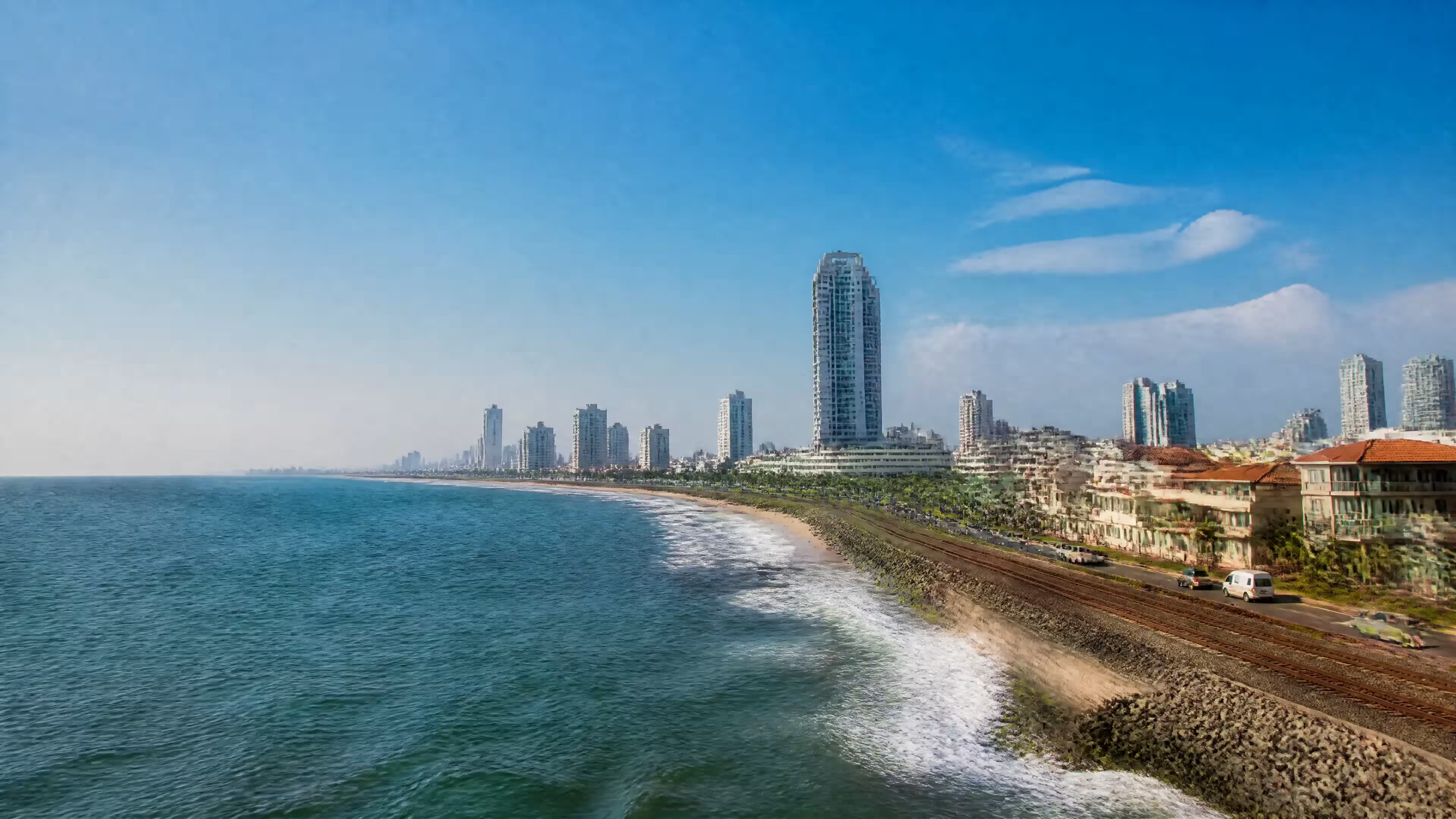
Holidays in Colombo are year-round warmth of the Indian Ocean, short tropical showers and a flight from Almaty with one transfer via Dubai, Doha or Istanbul. The journey takes about half a day, the time difference with Almaty is minimal. The swimming season never stops, and the best months for a trip are from December to March, when there is the least rain.
Visa, flight and money: what to consider before the trip?
A trip to Colombo begins long before boarding the plane. A calm journey rests on three things: documents, route and cash.
Visa procedure for citizens of Kazakhstan
Permission to travel to Sri Lanka is arranged in advance, before buying tickets. Before applying, check the current procedure at the Sri Lanka consulate: the rules for citizens of Kazakhstan change periodically. Usually the application is submitted online, and the confirmation is printed and taken along. The passport must be valid for several more months after the end of the tour. Keep copies of passport pages and hotel booking separately from the original. For tours to Colombo, check in advance which documents the tour operator prepares and which you arrange yourself.
Transfers and travel time from Almaty
There are no direct flights from Almaty to Colombo, the route is built with one transfer. The most convenient way to fly is via Dubai, Doha or Istanbul: connections are short, and luggage is usually checked through to the final point. The total travel time including waiting takes about half a day. The time difference between Almaty and Colombo is about half an hour, so acclimatization is almost unnoticeable. Take a spare T-shirt and a toothbrush in your hand luggage. Night departures from Almaty are convenient because you will sleep through most of the journey.
When to go and how to dress in the tropics?
Holidays here are warm all year round, but humidity and sun dictate their own rules. It is better to pack your suitcase for the weather, not for photos from the internet.
Seasonal showers and solar activity
Tropical showers in Sri Lanka occur all year round, but they are short. A shower usually starts in the afternoon, lasts an hour or two and gives way to sun. A compact umbrella or a light raincoat will be useful in any month. The sun here is active even on cloudy days, so high-SPF cream is needed constantly. You can get sunburned within an hour of walking around the city. Plan excursions for the morning, and leave the afternoon for the hotel and cafes. A hat and UV-protection glasses are not a luxury, but a necessity. Sri Lankan weather is rarely cool, so warm clothes are not needed in the suitcase.
Dress code for temples and everyday clothing
For Buddhist temples in Sri Lanka, clothing covering shoulders and knees is required. Shorts, tank tops and sheer fabrics will not do even in the heat. Shoes are removed when entering the territory, so take socks or sandals that are easy to take off. On the beaches and in Colombo hotels the dress code is casual, but in restaurants in the evening trousers and a shirt are appropriate. Light linen items dry quickly and do not stick to the body. For women, it is more convenient to take a pareo or a large scarf to throw over the shoulders at the entrance. Respect for local customs is valued here, and this is noticeable in the attitude of the staff.
How to get around the city and not overpay
Transport in Colombo is cheap, but requires attention to detail. The difference in price between an agreement and the meter can be noticeable.
Taxi, transfer and ride-hailing app
It is worth installing the local taxi app already at the airport, while there is internet. The price in it is fixed before the trip, and this saves you from arguments. A hotel transfer is more expensive, but the driver waits for you with a sign and helps with the suitcases. It is better not to catch a street taxi in Colombo without knowing the prices. For long trips around Sri Lanka, it is more profitable to hire a car with a driver for a day.
Tuk-tuks and bargaining at markets
Tuk-tuks in Colombo are popular for short trips around the city. Be sure to agree on the price before starting the ride, otherwise the bill will grow at the end. Bargaining at markets and in shops is customary here, and the first quoted price is usually inflated. In shopping malls prices are fixed, and no discount will be given there. Keep small notes: the driver may not have change from a large banknote. The Sri Lankan manner of bargaining is calm, without pressure or irritation. If the price seems high, just walk on — the next tuk-tuk will offer less.
Health and safety on the island
A trip here is rarely overshadowed by illness if you prepare in advance. The main risks are related to food, water and sun.
Insurance, vaccinations and drinking water
Medical insurance with hospitalization coverage is mandatory for a trip to Sri Lanka. Private clinics in Colombo are expensive, and free medicine is intended for local residents. Before the trip, check with a doctor about the need for vaccinations against hepatitis A and typhoid fever. Tap water must not be drunk even in good hotels. Use bottled water, including for brushing teeth and washing fruit. It is also better not to take ice in street drinks. Assemble a first-aid kit at home: familiar medicines in Sri Lankan pharmacies may have different names.
Spicy cuisine and adaptation to food
Sri Lankan cuisine is spicy, and an unaccustomed stomach needs adaptation. In the first days, ask for "not spicy" or choose European dishes in Colombo hotels. It is better to try curry gradually, starting with mild options. Street food is tasty, but choose places where they cook in front of you and where there are many locals. Wash fresh fruit with bottled water and peel it. Fermented milk drinks help the stomach get used to new food. If you feel unwell, do not wait — go to a clinic under your insurance.
Communication, money and useful habits
Communications and money in Sri Lanka are simple, but with local peculiarities. Colombo Sri Lanka is a city where ATMs and exchange offices are found at every turn, and a SIM card is issued in ten minutes.
SIM card and mobile internet
A local SIM card is issued with a passport immediately upon arrival at the airport. Operators offer packages with internet for a week or a month, and for a tourist this is more than enough. Mobile internet in Colombo works fast, but in the mountains and on remote beaches the signal is weaker. Roaming from Kazakhstan will cost more, so it is worth getting a SIM card. Keep your passport at hand when registering: without it, the card will not be sold. Taxi and map apps work only with internet, so connect on the very first day.
Cash, cards and tips
In Sri Lanka, Sri Lankan rupees are used, and cash is needed constantly. Exchange dollars or tenge at banks and exchange offices in the city, not at the airport: the rate there is worse. Visa and Mastercard are accepted at hotels and large restaurants in Colombo. For markets, tuk-tuks and small cafes, keep rupees in your pocket. Tips in restaurants and hotels in Sri Lanka are usually about 10% and are often already included in the bill. Check the receipt before leaving additional money. ATMs are found frequently, but it is better to clarify the withdrawal fee in advance.
Visa and entry rules change: check with the primary source — the Department of Immigration of the Democratic Socialist Republic of Sri Lanka, https://www.eta.gov.lk/slvisa/visainfo/weta.jsp. The information on this page was verified on 10.09.2026.
Briefly
- A flight from Almaty is built with one transfer via Dubai, Doha or Istanbul.
- The time difference with Colombo is minimal, acclimatization is easy.
- A raincoat and high-SPF cream are needed in any season.
- For temples, prepare clothing that covers shoulders and knees.
- Tuk-tuks and taxis require an agreed price before the trip.